E-Transmission: Peter Obi Dismisses Claims of Network Absence in Some State
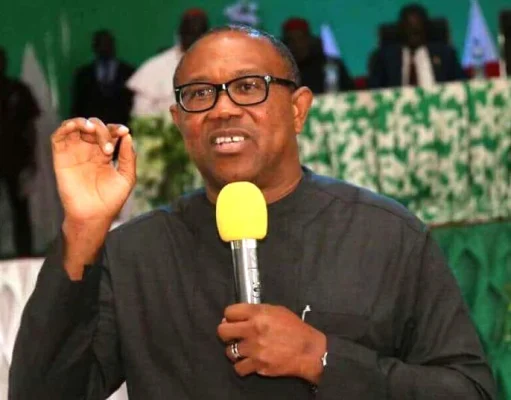
Former presidential candidate, Mr Peter Obi, has dismissed claims that some states in Nigeria lack network coverage capable of supporting the electronic transmission of election results, as debates intensify over the adoption of mandatory e-transmission in future polls.
Obi’s position followed comments by the President of the Senate, Mr Godswill Akpabio, who had expressed concerns that real-time transmission of election results might be impracticable in parts of the country due to insecurity and poor network coverage.
Akpabio, speaking at the launch of a book titled The Burden of Legislators in Nigeria, authored by former senator Effiong Bob, said some states lacked functional network services, warning that insisting on real-time transmission could invalidate results in affected areas.
“Real-time transmission means that in over nine states where networks are not working because of insecurity, there will be no election results. Nationally, it also means that if the national grid collapses and no network is working, no election results will be valid,” Akpabio said.
He explained that lawmakers only proposed the removal of the term real-time from electoral provisions to avoid legal complications arising from network failures, adding that the responsibility for determining the mode of result transmission rests with the Independent National Electoral Commission (INEC).
However, Obi rejected the argument, insisting that Nigeria’s electoral system should not be exempt from digital standards already in use across other sectors of the economy.
Obi made the remarks in a post on his X handle a day after he joined a peaceful protest at the National Assembly, where demonstrators called for urgent electoral reforms.
He noted that financial institutions conduct secure digital transactions nationwide on a daily basis, arguing that claims of network absence in certain states were no longer acceptable.
“Claims that certain states lack network coverage are no longer acceptable. Financial institutions operate nationwide through secure digital networks to conduct transactions and collect taxes daily. If banking systems function seamlessly, our electoral system can and should do the same,” Obi said.
He stressed that credible elections require transparent processes, verifiable candidate credentials and open campaigns, including public scrutiny and debates as provided by law.
“Most importantly, election results must be transmitted electronically and in real time to protect the people’s mandate and eliminate manipulation,” he added.
Obi called on Nigeria to live up to its status as the Giant of Africa by embracing exemplary governance, beginning with credible and transparent elections.
“We owe the younger generation a nation built on order, justice and trust, not one mired in chaos and impunity. I remain committed to the vision of a New Nigeria—one that is possible and inevitable if we act together,” he said.





