WHO Declares Hepatitis D Carcinogenic, Calls for Urgent Global Action
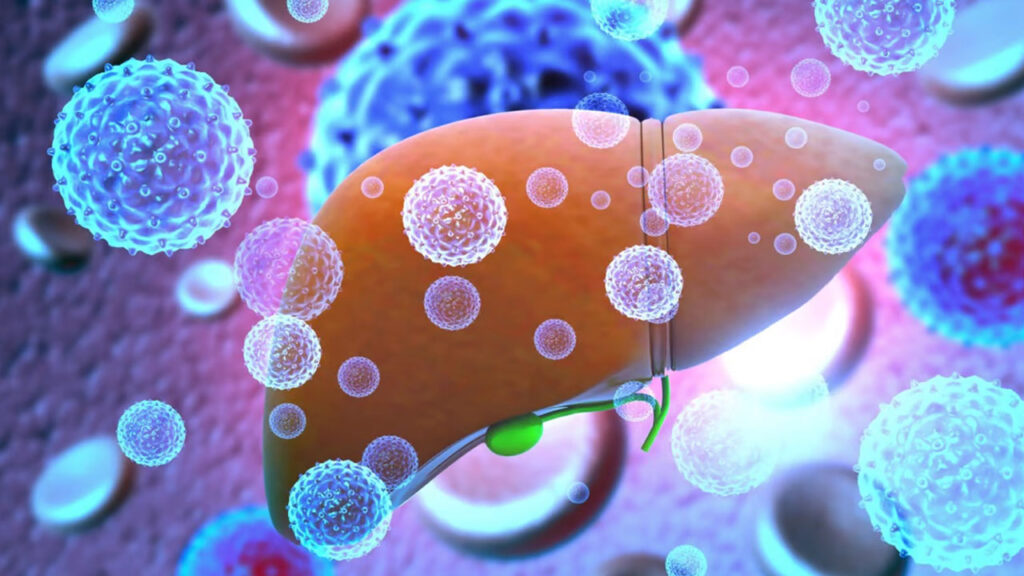
The World Health Organisation (WHO) has issued a strong call for governments and health partners to intensify efforts to eliminate viral hepatitis, following the reclassification of Hepatitis D as carcinogenic to humans.
This announcement coincides with the commemoration of World Hepatitis Day.
The International Agency for Research on Cancer (IARC), a WHO agency, recently confirmed that Hepatitis D—an infection occurring only in individuals already infected with Hepatitis B—poses a two- to six-fold higher risk of liver cancer compared to Hepatitis B alone. Hepatitis D is now placed in the same cancer-causing category as Hepatitis B and C.
WHO described this reclassification as a critical milestone in combating hepatitis, stressing the urgency of raising awareness, expanding screening, and improving access to treatment.
Dr. Meg Doherty, WHO’s incoming Director of Science for Health, said the organization is closely monitoring clinical outcomes of new treatments being developed for Hepatitis D.
While Hepatitis C can be cured within two to three months using oral medication and Hepatitis B can be managed with lifelong therapy, treatment options for Hepatitis D remain limited. Doherty emphasized the need to scale up vaccination, testing, harm reduction, and care services integrated into national health systems.
Hepatitis viruses A, B, C, D, and E cause acute liver infections, but only B, C, and D lead to chronic illness, cirrhosis, liver failure, or cancer.
WHO estimates that over 300 million people live with chronic Hepatitis B, C, or D, causing 1.3 million deaths yearly, mainly from liver cancer and cirrhosis.
WHO Director-General, Dr. Tedros Adhanom Ghebreyesus, stated:
“Every 30 seconds, someone dies from hepatitis-related liver disease or liver cancer. Yet we have the tools to prevent these deaths.”
WHO’s Global Hepatitis Report shows persistent shortfalls:
Only 13% of people with Hepatitis B and 36% with Hepatitis C have been diagnosed.
Just 3% of Hepatitis B and 20% of Hepatitis C patients receive treatment.
These figures fall far below WHO’s 2025 targets of 60% diagnosis and 50% treatment coverage.
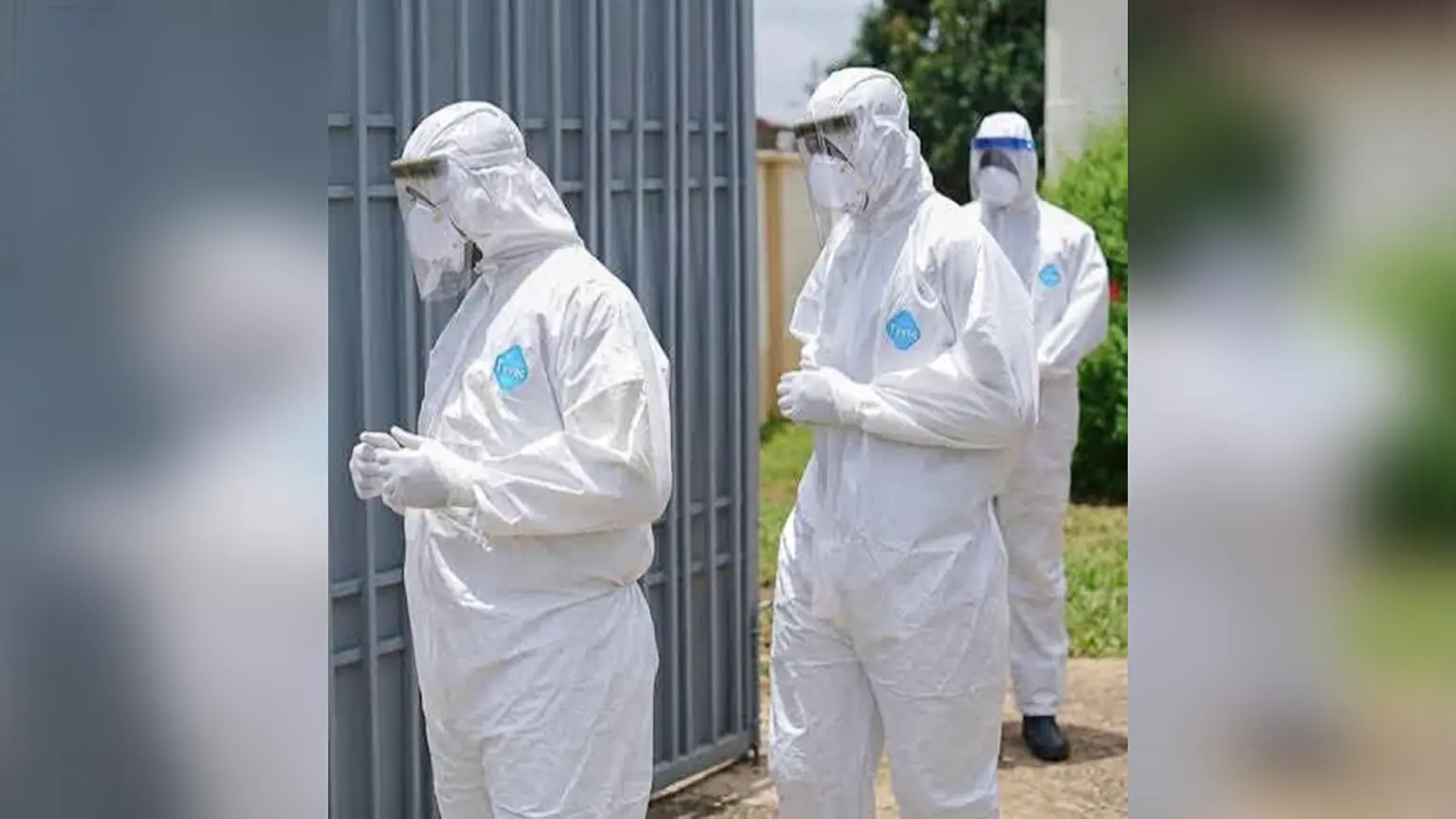
Medical experts in Abuja warned of the dangers of untreated hepatitis, describing it as a “silent killer” that often shows no symptoms until severe liver damage occurs.
The warning came during an outreach organized by the Guild of Medical Laboratory Directors (FCT chapter) in Dutse, Abuja, where residents received free Hepatitis B and C tests.
Dr. Emmanuel Chijoke, Medical Director of Lyon Medical Diagnostic Laboratory, emphasized early detection:
“Hepatitis B has a vaccine, yet many Nigerians remain untested and unvaccinated, leaving themselves vulnerable to cirrhosis and liver cancer.”
Medical Lab Scientist Zeynab Adekanyi, Director of Ayaz Laboratory, added:
“The earlier you know, the better. Waiting too long can cost you your life. Prevention through hygiene and vaccination is still our strongest defense.”