West Nile Virus Detected in UK Mosquitoes for First Time, Officials Confirm
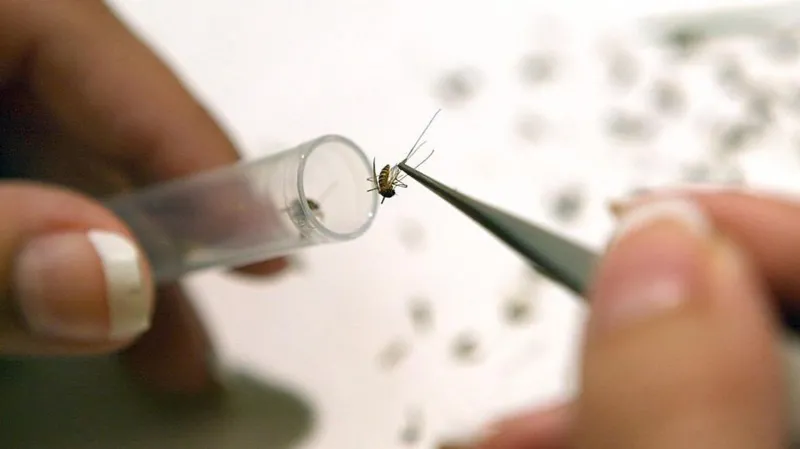
West Nile virus has been detected in mosquitoes in the UK for the first time, health officials have confirmed. The virus, which is typically spread between birds but can infect humans through mosquito bites, was identified in samples collected in Nottinghamshire.
According to the UK Health Security Agency (UKHSA), virus fragments were discovered in two Aedes vexans mosquitoes collected near Retford in 2023. Despite the finding, officials say there is no evidence of human infection in the UK and the risk to the public remains very low.
West Nile virus is already widespread in parts of Africa, Asia, South America, and mainland Europe. Its appearance in the UK is not unexpected, experts say, as climate change and other environmental shifts have allowed disease-carrying mosquitoes to expand their range northward.
What is West Nile Virus?
The virus often causes no symptoms or only mild illness, such as fever, headache, or skin issues. However, around 20% of infected people may experience more noticeable symptoms, and in rare cases, the virus can cause severe brain infections like encephalitis or meningitis, which may be fatal. There are currently no vaccines or specific treatments for West Nile virus in humans.
Since 2000, the UK has recorded seven travel-related cases, but no local human infections have occurred to date.
Experts Weigh In
“This is the first detection of West Nile virus in UK mosquitoes, but it is not unexpected,” said Dr Meera Chand, Deputy Director for Travel Health and Infections at UKHSA.
Dr Arran Folly, who led the virus detection project, emphasized that this finding reflects a broader trend: “Climate change is expanding mosquito-borne diseases into new areas.”
Prof James Logan from the London School of Hygiene & Tropical Medicine called the discovery “serious” but urged calm: “The UK is no longer immune to diseases once considered tropical. Surveillance systems are in place, but we must remain vigilant.”
Heather Ferguson, professor of infectious disease ecology at the University of Glasgow, added that while native UK mosquitoes are capable of transmitting the virus, current climate conditions likely prevent active transmission — for now.
What You Can Do
The Aedes vexans mosquito thrives in wet, stagnant environments. Officials advise the public to:
- Remove standing water where mosquitoes breed.
- Use mosquito repellents and bed nets, especially in warmer months.
- Stay informed about surveillance updates in your area.
Last year, five people died of West Nile virus in Seville, Spain, sparking public protests and renewed attention to mosquito-borne diseases in Europe.