UN, Malala Fund Reaffirm Commitment to Girls’ Education in Nigeria
By Titilope Johnson
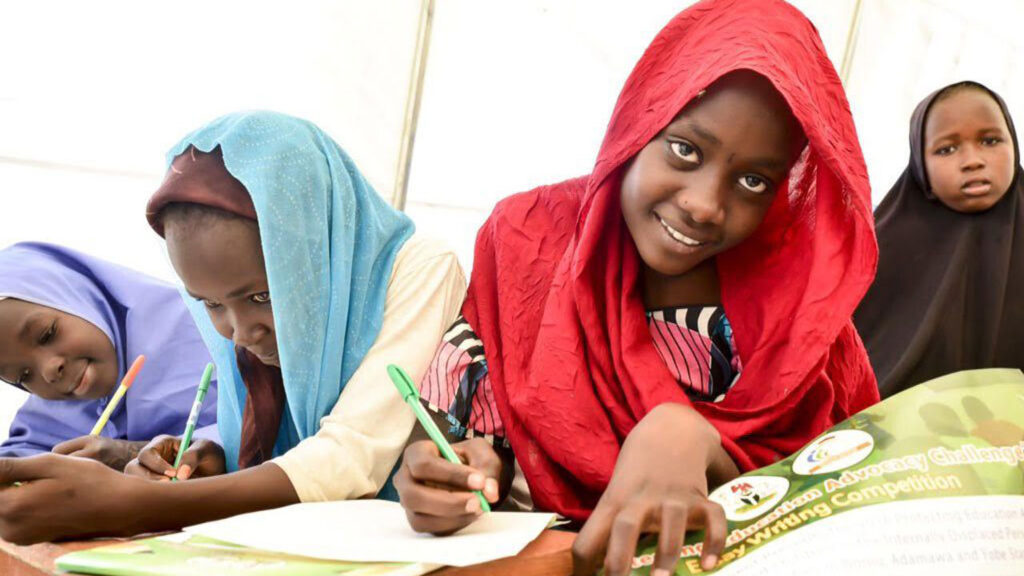
The United Nations (UN) has renewed its pledge to support the Malala Fund’s mission of advancing girls’ education in Nigeria and tackling barriers that keep millions of children out of school.
During a strategic engagement in Abuja with Malala Fund co-founder Malala Yousafzai, the UN Resident and Humanitarian Coordinator in Nigeria, Mohamed Malick Fall, reaffirmed the global body’s dedication to promoting inclusive and equitable education.
“The UN reaffirms its support to the Malala Fund in advancing the right of the girl-child to quality education and breaking barriers to education access. No child should be left behind,” Fall said.
Fall, who led a UN delegation comprising UNICEF, UNESCO, UNDP, UNFPA, and UN Women, stressed that societal transformation depends on investing in human capital—particularly through girls’ education and women’s empowerment.
He cited insecurity, economic hardship, climate change, and entrenched socio-cultural norms as key barriers to education in Nigeria.
Malala, in Abuja for the Malala Fund Board of Directors’ yearly meeting, highlighted Nigeria’s central role in the Fund’s 2025–2030 global strategy.
“Nigeria is a priority country for the Malala Fund. Since 2014, we have invested over $8 million in Nigerian partner organisations working to break down the barriers keeping girls out of school,” she said.
She outlined the Fund’s priorities in Nigeria, including:
Ensuring married and pregnant girls return to school
Expanding education financing tailored to girls’ needs
Using education as a tool to end child marriage
The Fund’s Nigeria CEO, Nabila Aguele, reaffirmed the organisation’s commitment to ensuring all girls complete 12 years of schooling.
UNICEF’s Push in Sokoto
Separately, UNICEF has pledged to step up efforts against rising numbers of out-of-school children in Sokoto State.
During a visit to SKS Model Primary School, Yabo, UNICEF Country Representative, Wafa Said, praised efforts to boost enrolment but noted with concern that many children still roam the streets.
Local leaders pointed to poverty and parental neglect as major obstacles, while community clerics confirmed that religious leaders are supporting the education campaign through sermons.
UNICEF’s Head of Field Office in Sokoto, Michael Juma, assured continued investment in teacher training and urged schools to adopt climate-friendly initiatives like tree planting and erosion control.