Tinubu Urges Senate to Fast-Track Constitutional Amendment for State Police
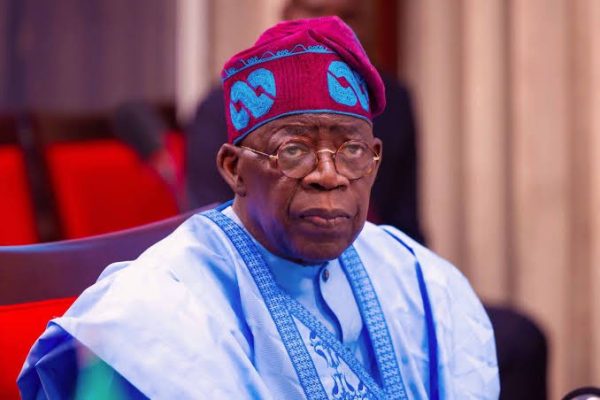
President Bola Tinubu has formally urged the Senate to begin the process of amending the 1999 Constitution to enable the establishment of state police, stressing the urgent need to restructure Nigeria’s security system to effectively combat terrorism, banditry, and insurgency.
The President made the appeal on Wednesday night during an interfaith Ramadan Iftar with Senate leadership and members at the State House in Abuja. He called on lawmakers to embed state policing within the Constitution, allowing state governments to take greater responsibility for securing their territories.
“Nigeria is extremely challenged. We are facing terrorism, banditry and insurgency, but you have never failed to respond appropriately. What I will ask tonight is that you start thinking about how best to amend the Constitution to incorporate state police, so we can secure our country, reclaim our forests from marauders, and free our children from fear,” Tinubu said.
The call reinforces Tinubu’s longstanding push for state police since assuming office. In February 2024, he approved the creation of a joint federal-state committee to examine frameworks for implementing state policing.
He has since repeatedly urged the National Assembly and state governors to support constitutional reforms to decentralise policing and strengthen local security systems.
At a National Caucus meeting of the All Progressives Congress (APC) in December 2025, the President again advocated constitutional changes to advance state police and enhance local government autonomy. He also recently declared during an engagement with governors that state police reforms could no longer be delayed.
During Wednesday’s meeting, Tinubu described the proposed reform as a constitutional responsibility requiring unity and collaboration across all levels of government.
“What we have faced during this challenging period, terrorism and banditry, is causing havoc. We must pull together in the spirit our forefathers envisioned when they established a constitutional democracy,” he said.
Beyond security, the President commended the Senate for supporting key economic reforms, including the removal of petrol subsidy and the unification of foreign exchange rates. He described the subsidy removal as a necessary step to end corruption and restore economic stability.
“We gave it up. We don’t want to participate in monumental corruption and arbitrage in foreign exchange,” Tinubu said, adding that ongoing reforms have positioned the country for economic growth and prosperity.
Responding to criticism from opposition figures, Tinubu dismissed allegations of suppressing dissent, saying he could not be blamed for political defections.
“When they accused me of killing opposition, I didn’t have a gun. I can’t blame anyone for jumping out of a sinking ship,” he said.
He also noted that the overlap of Ramadan and Lent symbolised unity and stressed the importance of continued cooperation between the executive and legislative arms of government.
“We are committed to Nigeria’s success. We are committed to making laws for the welfare and prosperity of our people. We are committed to governing together,” he added.
In his response, Senate President Godswill Akpabio pledged the Senate’s continued support and loyalty to the administration. He assured the President that the upper chamber would continue to carefully review executive proposals in the national interest.
“We have nothing to give you but to assure you of our loyalty. Nothing you have sent to us has died at first reading, and it will not happen,” Akpabio said.
He praised the administration’s economic and legislative reforms, including tax reforms, subsidy removal, foreign exchange unification, and amendments to electoral laws. Akpabio expressed confidence that Nigeria would experience greater economic prosperity in the coming years under Tinubu’s leadership.
The interfaith gathering concluded with prayers for national unity, peace, and wisdom for Nigeria’s leaders as they confront pressing security and economic challenges.





