Tax Reform Controversy Deepens as Civil Society Demands Probe, Transparency
Nigeria’s tax reform agenda has come under renewed scrutiny as civil society organisations raise alarm over alleged post-legislative alterations to recently passed tax laws, calling for transparency, judicially led investigations and full public disclosure.
The Resource Centre for Human Rights and Civic Education (CHRICED) described as “shocking” allegations that provisions were inserted into tax reform bills after they had been passed by the National Assembly. The organisation warned that such actions, if proven, would amount to a grave assault on democracy and the rule of law.
In a statement signed by its Executive Director, Comrade Dr Ibrahim M. Zikirullahi, CHRICED said the alleged changes could not be dismissed as clerical errors but suggested a “deliberate and coordinated attempt to rewrite the will of the Nigerian people behind closed doors.”
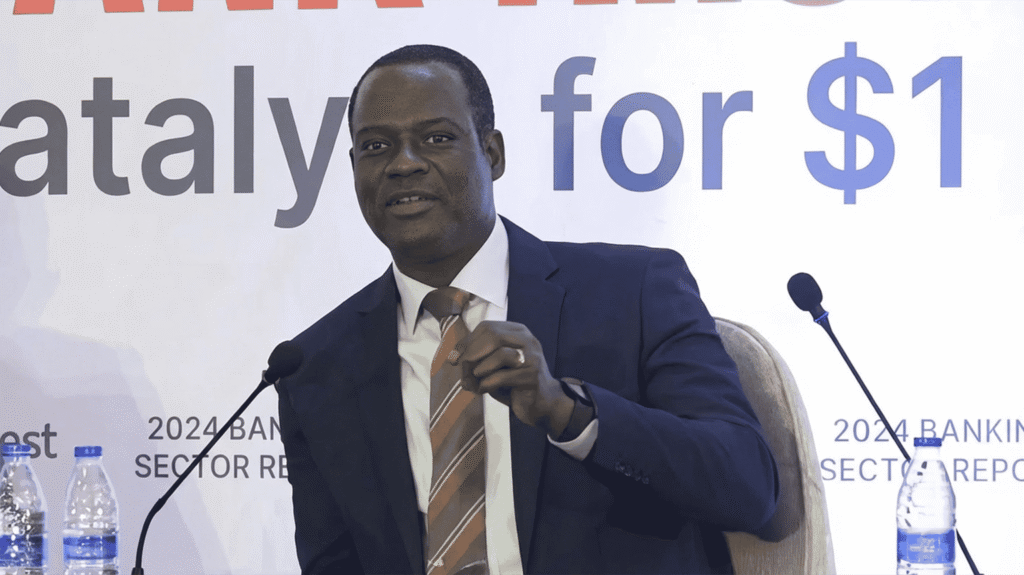
CHRICED was reacting to claims by Abdulsammad Dasuki, a Peoples Democratic Party lawmaker from Sokoto State, who alleged that provisions not debated or approved by lawmakers appeared in the gazetted versions of the tax laws.
According to the organisation, the disputed provisions allegedly empower tax authorities to seize funds without court orders, compel taxpayers to pay 20 per cent of disputed assessments before filing appeals, mandate the use of the United States dollar as the sole currency for tax computation, and alter petroleum income tax and value-added tax provisions without legislative approval.
“These are not mistakes. These are acts of impunity,” CHRICED stated, citing Section 58 of the 1999 Constitution, which prohibits any alteration of bills after passage except by the National Assembly.
The group warned that secret amendments to laws would erode public trust, undermine investor confidence and weaken democratic governance. While acknowledging the Speaker of the House of Representatives’ decision to constitute a seven-member ad hoc committee, CHRICED insisted that the move should mark the beginning—not the end—of accountability.
It criticised what it described as the silence of the Presidency and the Senate more than 48 hours after the allegations became public and called for a full, independent and time-bound investigation, immediate suspension of the implementation of the affected tax laws, prosecution of culpable officials, and public disclosure of investigative findings.
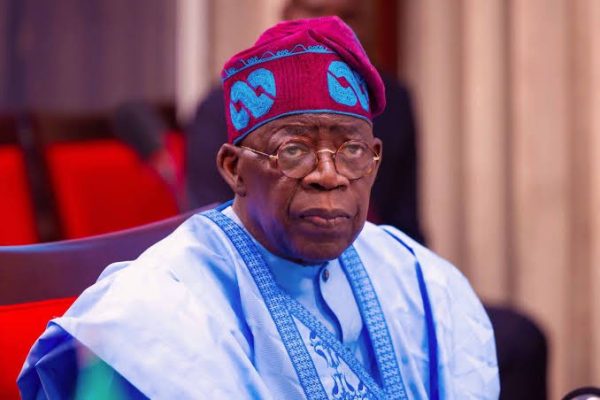
The Socio-Economic Rights and Accountability Project (SERAP) also urged President Bola Tinubu to direct the Attorney General of the Federation and Minister of Justice, Lateef Fagbemi, to publish certified true copies of the tax bills received from the National Assembly and the versions signed into law.
In a Freedom of Information request, SERAP asked that the documents cover the National Revenue Service (Establishment) Act, the Joint Revenue Board of Nigeria (Establishment) Act, the Nigeria Tax Administration Act and the Nigeria Tax Act.
Signed by SERAP’s Deputy Director, Kolawole Oluwadare, the request further called on the President to clarify whether the bills passed by lawmakers are identical to those signed into law and subsequently gazetted.
SERAP also urged the establishment of an independent panel of inquiry, to be headed by a retired Justice of the Supreme Court or Court of Appeal, to investigate the alleged discrepancies. The organisation said the panel’s findings should be made public and those responsible prosecuted where appropriate.
According to SERAP, publishing certified copies of the bills and laws would allow Nigerians to scrutinise and compare them, promoting transparency, accountability and respect for constitutional processes.
Meanwhile, the #FixPolitics Initiative called on the Federal Government and tax authorities to immediately publish the full Memorandum of Understanding (MoU) between Nigeria and France on tax cooperation.
In a statement signed by its Executive Director, Anthony Ubani, the group said official explanations regarding the agreement were inadequate and largely reactive to public outcry.
The Federal Inland Revenue Service has said the MoU is intended to support technical cooperation, capacity building and digital transformation of Nigeria’s tax system.
However, #FixPolitics argued that tax administration lies at the heart of state sovereignty and public trust, stressing that any such agreement must be handled with openness, accountability and democratic oversight.