Suspended School Feeding Programme Leaves 9 Million Pupils, 250,000 Jobs in Limbo
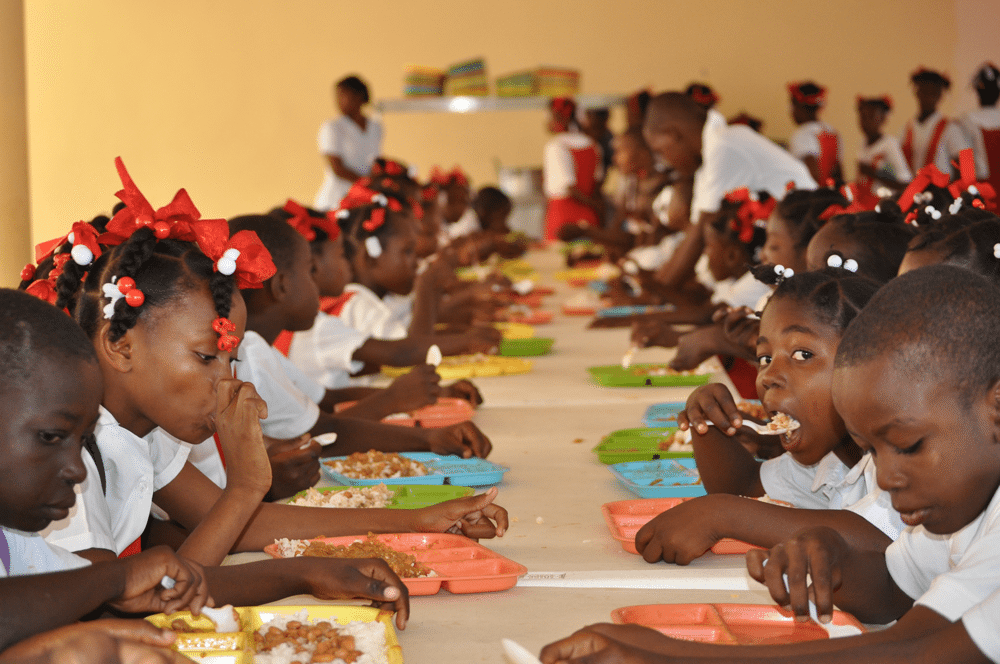
The future of Nigeria’s National Home-Grown School Feeding Programme (NHGSFP) remains uncertain as the scheme, which has been on hold since January 2024, is yet to restart despite continued budgetary allocations. The delay endangers the educational and nutritional needs of over nine million primary school pupils and threatens the livelihoods of over 250,000 people, including cooks, farmers, and food vendors tied to the programme.
Despite suspending the initiative alongside other National Social Investment Programme Agency (NSIPA) projects over corruption allegations in early 2024, the Federal Government allocated ₦160 billion for NHGSFP in the 2025 budget.
₦100 billion is domiciled under the Service Wide Vote,
₦60 billion is assigned to the Ministry of Education for direct feeding costs.
However, with spiraling inflation and food price hikes, experts question whether the current allocation can sustain the programme.
A Guardian market survey revealed shocking price increases:
Rice (50kg): ₦26,000 in 2023 → ₦100,000 in 2025
Beans: ₦28,000 in 2023 → ₦75,000 in 2025
An egg: ₦120 in 2024 → ₦250 in 2025
Stakeholders fear that rising costs could force the government to scale down the programme or delay its rollout, further jeopardizing food security and school enrolment.
The prolonged suspension risks worsening Nigeria’s 20 million out-of-school children crisis, as many families depend on the feeding programme as an incentive to keep children in school. Analysts warn of reduced nutrition for pupils, economic strain on rural farmers, and lost employment opportunities for thousands involved in food supply chains.
“Delaying this programme undermines efforts to fight hunger, malnutrition, and poverty,” said Akinsola Olotu, a public affairs analyst. “It is a crucial intervention that stimulates local economies and boosts school attendance.”
Corruption scandals have plagued NHGSFP since its inception. In 2020, ₦2.67 billion meant for school feeding during COVID-19 was traced to private accounts, sparking public outrage. Experts insist that before relaunching, the government must ensure transparency, stakeholder involvement, and strict oversight.
“It’s shocking that billions are allocated yearly, yet implementation stalls,” said Michael Adaramoye of the Education Rights Campaign. He urged the government to include unions, PTAs, and educators in governance to prevent further mismanagement.
Efforts to get an official comment from the Federal Ministry of Education were unsuccessful, as the Director of Press promised to provide feedback but had not done so at press time.
Budget Allocation (2025): ₦160 billion
Inflation Impact: Cost of staple foods has doubled or tripled
Pupils Affected: 9+ million
Jobs at Risk: Over 250,000 across food supply chain
Goal: Improve school enrolment, reduce malnutrition, stimulate rural economy