Senate Passes Key Tax Reform Bills, Retains VAT at 7.5%, Approves 4% Development Levy
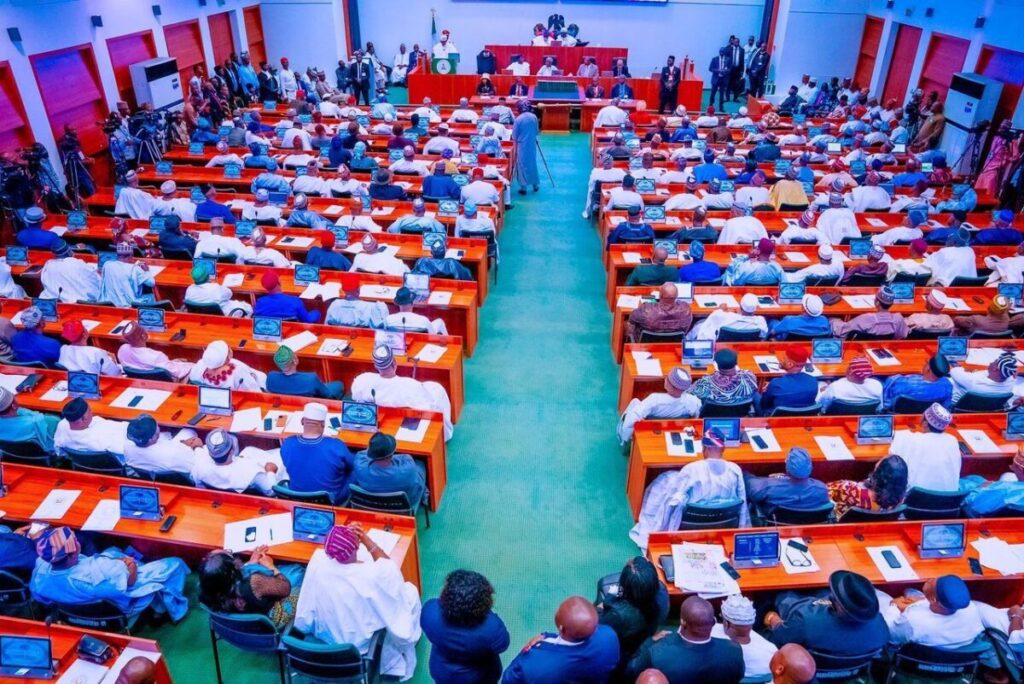
The Nigerian Senate has passed two of four major tax reform bills aimed at overhauling the country’s tax system, enhancing revenue collection, and improving transparency, while retaining the Value-Added Tax (VAT) rate at 7.5 per cent.
After extensive deliberations on Wednesday, the Senate approved the Nigeria Revenue Service (Establishment) Bill (NRSEB) and the Nigeria Tax Administration Bill (NTAB). The remaining two — the Nigeria Tax Bill (NTB) 2024 and the Joint Revenue Board (Establishment) Bill (IRBEB) — are scheduled for final consideration today.
The Senate rejected a proposed VAT increase to 10 per cent and instead opted to retain the current rate, while introducing a 4 per cent development levy to sustain funding for key national institutions such as the TETFund, NITDA, and NASENI.
Breakdown of Development Levy Allocation:
- 50% – TETFund
- 15% – Nigerian Education Loan Fund
- 10% – NITDA
- 10% – NASENI
- 5% – National Cybersecurity Fund
- 10% – Defence Security Fund
Senate President Godswill Akpabio praised the reforms as a landmark step toward modernising governance and ensuring fairer tax distribution. “These bills will add immense value to governance and transform how taxes are collected and shared in Nigeria,” he said.
Deputy Senate President Barau Jibrin commended lawmakers for resolving initial disagreements through extensive stakeholder consultations and committee reviews.
Key Highlights of the Bills Passed:
- Establishment of the Nigeria Revenue Service (NRS) to replace the FIRS.
- Appointment of an Executive Vice Chairman and six Executive Directors (one from each geopolitical zone).
- Reduction of Service Cost of Collection from 4% to 2%.
- VAT inputs now allowable for fixed assets and overhead costs.
- Company Income Tax fixed at 30%.
- Revenue sharing: FG (10%), States/FCT (55%), LGAs (35%).
Senators also debated and amended several contentious clauses, including Clause 22, which was reduced from 3% to 2% after Senator Aliyu Wadada argued that excessive allocation could surpass budgets of multiple states. Clause 39, which sparked concerns about legislative overreach, was retained after clarifications on accountability versus interference.
In a related development, Prof. Godwin Oyedokun, a tax expert and lecturer at Lead City University, urged state governments and stakeholders to back the reform, describing it as a “pathway to national prosperity.”
“The content of the bill is far superior to what we currently have. It will harmonise Nigeria’s fragmented tax landscape and reduce the burden on low-income earners,” he said at an event organised by the Society of Women in Taxation (SWIT) in Abuja.
The full passage of the remaining tax bills is expected by the end of today’s plenary session.