Saudi Universities Reaffirm Admission Openness to Nigerian Students of All Faiths
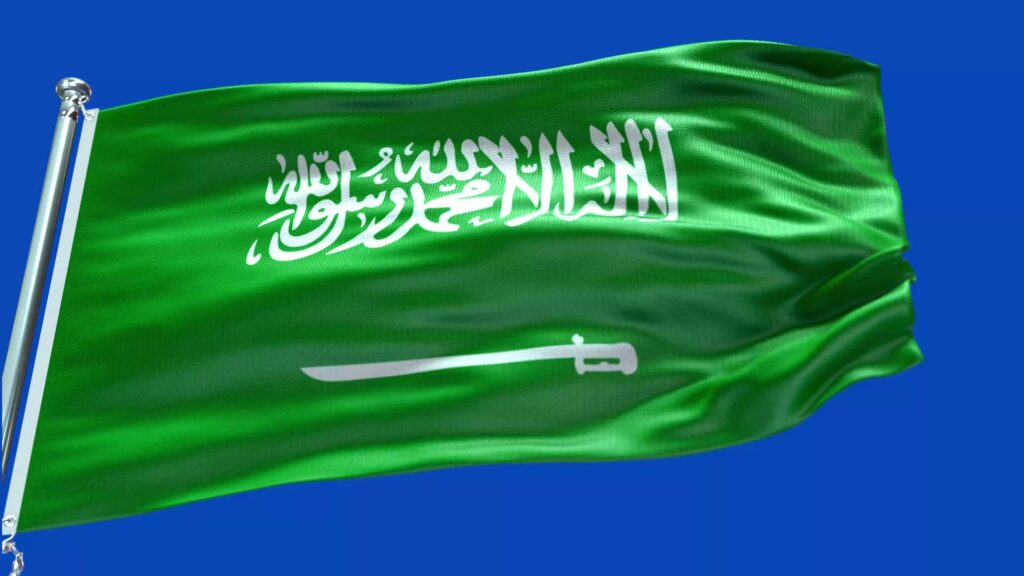
Saudi Arabian authorities have reiterated that universities in the Kingdom remain open to students of all faiths — Muslims and non-Muslims alike — from Nigeria, as part of ongoing efforts to deepen educational and cultural cooperation between both countries.
This assurance was given in Abuja on Monday by Professor Saad Daajim, Vice President for Educational and Academic Affairs at King Khalid University, during the opening session of the Forum of Saudi Arabia Universities Alumni in Nigeria and Neighbouring Countries.
Professor Daajim revealed that more than 850 Nigerian students are currently enrolled in Saudi universities, while over 3,200 Nigerians have graduated from Saudi institutions in the past decade.
“In Saudi Arabia, there are more than 850 students from this country studying in Saudi universities. Already, in the last one decade, there are more than 3,200 graduates from Nigeria,” he said.
The forum, themed “Alumni of Saudi Universities in the Federal Republic of Nigeria and Surrounding Countries and Their Impact on Sustainable Development,” provided a platform for dialogue between Saudi educational institutions and Nigerian alumni.
Daajim emphasized that Saudi Arabia welcomes Nigerian students in a wide range of disciplines — including education, engineering, sciences, Arabic language, religious studies, and medicine. He added that scholarship opportunities are open to all students, regardless of religion.
“According to our regulation, admission will be accessible to all, even scholarships,” he explained. “King Abdullah University for Science and Technology offers scholarships for Muslims and non-Muslims as well. King Fahd University of Petroleum and Minerals also accepts students from all cultures, religions, and continents.”
He noted that the alumni forum aims to strengthen engagement with Nigerian graduates and evaluate their contributions to sustainable development in their home country. Graduates are also encouraged to pursue postgraduate studies, with opportunities for qualified individuals to join Saudi universities as academic staff.
“When they graduate from Saudi universities, they could continue their higher studies in Master’s or PhD. And if they are well qualified, they will be hired by the university as a professor,” Daajim added.
In her remarks, Dr. Suwaiba Said Ahmad, Minister of State for Education, commended Saudi Arabia’s continued commitment to educational collaboration.
“Such partnerships enrich our human capital and strengthen bilateral ties for mutual good,” she said, urging alumni to continue serving as ambassadors of knowledge, peace, and development.
She affirmed the Federal Ministry of Education’s support for initiatives that leverage alumni networks for nation-building.