Sanwo-Olu Launches ₦500bn Produce for Lagos Fund to Transform Food Economy
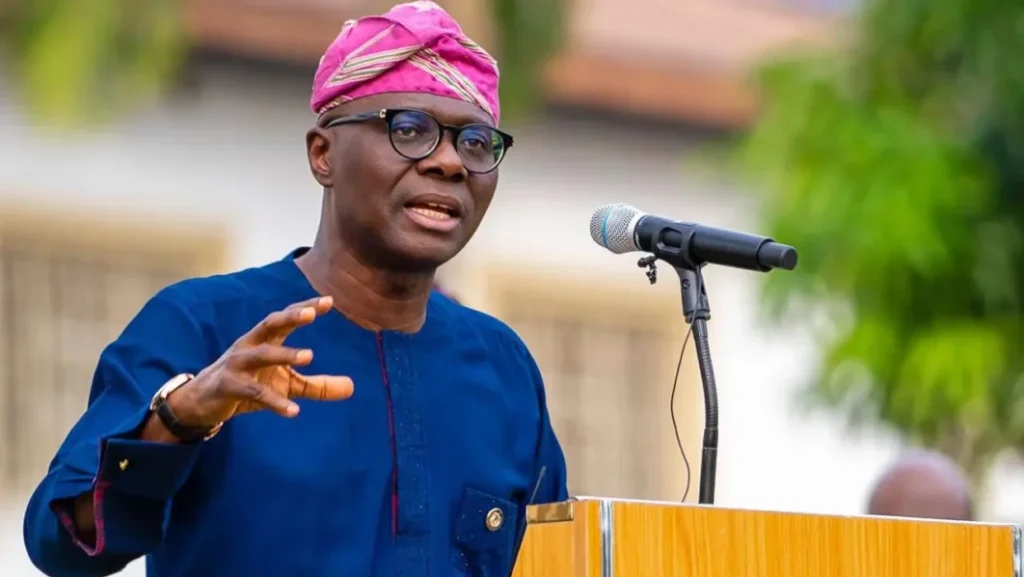
Lagos State Governor, Babajide Sanwo-Olu, has unveiled the Produce for Lagos Programme alongside a ₦500 billion Offtake Guarantee Fund, aimed at strengthening the state’s food economy, which has surged from ₦6.5 trillion annually to ₦16.14 trillion.
Speaking at the launch on Wednesday, Sanwo-Olu described Lagos as Nigeria’s largest food market, consuming over 50% of food traded in the Southwest. However, he noted that nearly half of the state’s food is lost between harvest and market due to poor storage and inefficient transportation.
“COVID-19 in 2020 exposed Lagos as highly dependent on food imports and vulnerable to global supply shocks. It became clear that we must transform our food system for sustainability,” Sanwo-Olu said.
The governor recalled that the state launched the Lagos State Agricultural and Food Systems Roadmap in 2021 to address structural weaknesses such as post-harvest losses, poor logistics, and supply chain gaps. As part of the strategy:
- The agriculture budget increased from ₦4.2 billion in 2018 to nearly ₦80 billion, the highest in the state’s history.
- The Ministry of Agriculture was renamed the Ministry of Agriculture and Food Systems in 2024 to reflect the integrated approach to food security.
Key Initiatives Implemented So Far
- Ounje Eko Discount Markets
- ₦500 million Ounje Eko Farmers Subsidy Programme
- Central Food Security Systems & Logistics Hub (Epe) – the largest in West Africa
- Middle Level Agroproduce Hub
- Lagos Agripreneurship Programme (LAP)
Sanwo-Olu emphasized that the Produce for Lagos Programme will provide guaranteed off-take contracts, access to financing, and logistics support to integrate producers, traders, and consumers into a more structured food economy.
The ₦500 billion Offtake Guarantee Fund will:
- Provide working capital for bulk traders
- Finance logistics operators
- Offer liquidity to aggregators
- Extend credit to food producers across Nigeria
According to Sanwo-Olu, the fund is not a subsidy but an investment vehicle designed to catalyze private capital, stabilize food prices, and reduce risks in agricultural operations.
“Our food economy cannot thrive on policy alone—it requires financing,” the governor said, stressing alignment with the National Policy on Agriculture and President Bola Tinubu’s Renewed Hope Agenda.