Road Tax Credit Scheme Stalls After Delivering ₦2.6tr Projects
By Titilope Johnson
Seven years after its introduction, Nigeria’s Road Infrastructure Development and Refurbishment Investment Tax Credit Scheme is facing survival challenges, with projects valued at nearly ₦3 trillion abandoned despite ₦2.6 trillion already spent.
The initiative, launched in 2019 through an executive order by former President Muhammadu Buhari, was designed to bridge Nigeria’s huge infrastructure gap by allowing companies to construct or rehabilitate approved roads and recover costs through tax credits.
The scheme is now mired in federal–state disputes, cost escalations due to naira devaluation, host community conflicts, and allegations of substandard work. State governments argue that federal roads are being funded with federation resources, depleting revenue available for FAAC disbursement.
The Nigerian National Petroleum Company Limited (NNPC), Dangote Group, BUA, NLNG, MTN Nigeria, Access Bank and others participated in the scheme. But with costs ballooning, some organisations have pulled out. Earlier this month, NNPC Ltd formally withdrew, citing its new commercial mandate under the Petroleum Industry Act.
Minister of Works David Umahi confirmed that the government requires about ₦3 trillion to complete abandoned projects under the scheme. President Bola Tinubu has directed the ministry to explore public-private partnerships (PPP) as an alternative funding model.
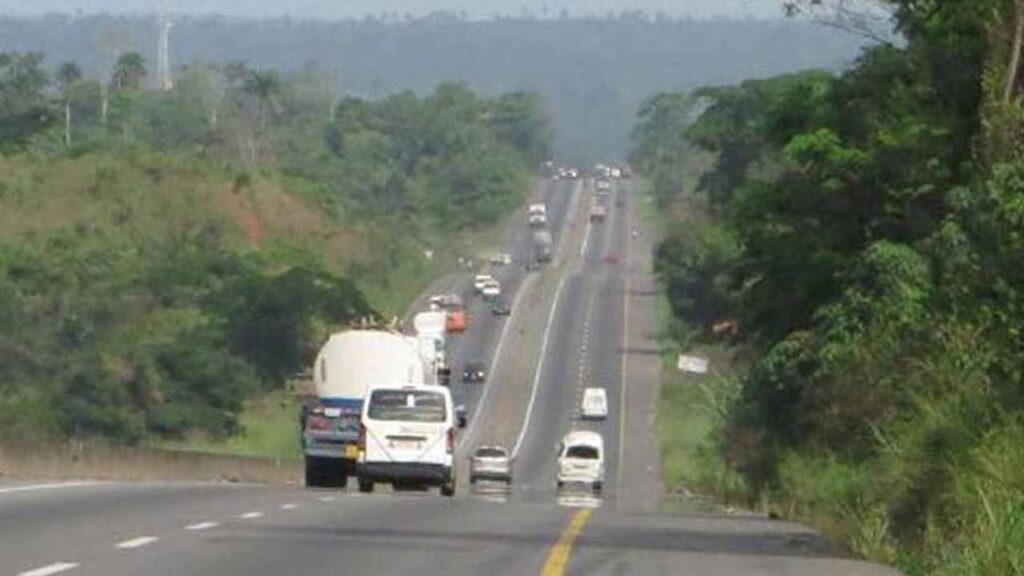
Projects affected include sections of the East–West Road, Port Harcourt–Onne Junction, Nembe–Brass Road, Yola–Mubi–Maiduguri corridor, and major highways in the North-Central region.
Industry experts and legal practitioners faulted the scheme’s foundation, noting:
Lack of legal framework beyond an executive order.
Limited accountability and transparency in execution.
Exclusion of professional oversight by COREN and the Nigerian Society of Engineers.
According to engineer Kolade Ogundele, “There is nothing wrong with seeking alternative funding for roads, but leaving projects entirely to contractors without professional supervision made it easy for corners to be cut.”
Similarly, lawyer Polycarp Aande argued that while Buhari’s initiative was well-intentioned, it lacked legal backing and safeguards to ensure accountability.
With ₦2.6 trillion already sunk into delivered projects covering over 5,000km, the scheme’s future remains uncertain. The Federal Government is now compiling a list of stalled roads for possible re-award under PPP arrangements.