Rivers State Residents Decry Multiple Taxation, Poor Economy Three Months Into Emergency Rule
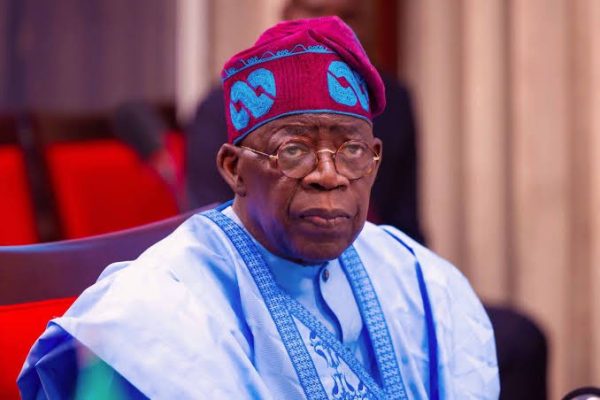
Three months after the declaration of a State of Emergency in Rivers State, residents and experts alike are raising concerns over multiple taxation and a steadily declining economy. Many believe the emergency intervention has failed to fulfill its intended purpose.
On March 18, 2025, President Bola Tinubu declared a State of Emergency in Rivers State and suspended Governor Siminalayi Fubara, Deputy Governor Prof. Ngozi Odu, and members of the State Assembly amid a prolonged political crisis. He appointed Vice Admiral Ibok Ete-Ibas as Sole Administrator, stating the decision aimed to restore peace and stability.
The Senate approved the declaration on March 20 during a closed-door session with lawmakers. However, since then, economic activity in the state has worsened.
Economic Decline and Tax Burden
Traders in major markets such as Mile One and Mile Three report sharp declines in business activity. Business owners are now subjected to various forms of taxation, often from multiple uncoordinated groups of collectors, leading to harassment and fear.
Dr. Dike Bekwele, a policy expert and lecturer at the University of Port Harcourt, expressed concern:
“The duplication of taxes in the state is worrisome and is allegedly driving investors away. Companies are discouraged by the multiplication of taxes, and others remain confused and apprehensive about the situation.”
He further emphasized the damage to the state’s reputation, stating that:
“A good reputation attracts investment. The current perception of Rivers State affects its social, cultural, and economic stability.”
Fragile Peace and Political Tension
Despite the President’s goal of restoring peace, observers say calm in the state is superficial. Dr. Bekwele called the peace “unimaginable” and noted that tension persists, particularly within the faction loyal to Minister of the Federal Capital Territory, Nyesom Wike:
“They have said that even if Governor Fubara joins the APC, he will not be forgiven and will still face impeachment.”
Criticism of Emergency Leadership
Dr. Kennedy Allen-Nwokamma, a policy analyst, criticized the Sole Administrator’s performance, stating he has not improved the state’s economy or governance. Conversely, lawyer Chimenem Wordi argued that economic issues are global and that the administrator is doing his best to maintain peace and development.
However, legal and civil society voices argue that the entire emergency administration is unconstitutional. Enefaa Georgewill, Chairman of the Rivers State Civil Society Organisation, stated:
“The President cannot rule Rivers through the back door. Appointments made under this regime, including the RSIEC chairmanship nomination, are illegal.”
He condemned the appointment of Cross River State indigene Michael Odey as RSIEC Chairman and called for legal action:
“Only the elected governor has the authority to appoint electoral officers. Any appointments made under the current setup are illegal. We will challenge them through every legal channel available.”





