Review of Electricity Act 2023: A Case for Total Overhaul (Part 2)
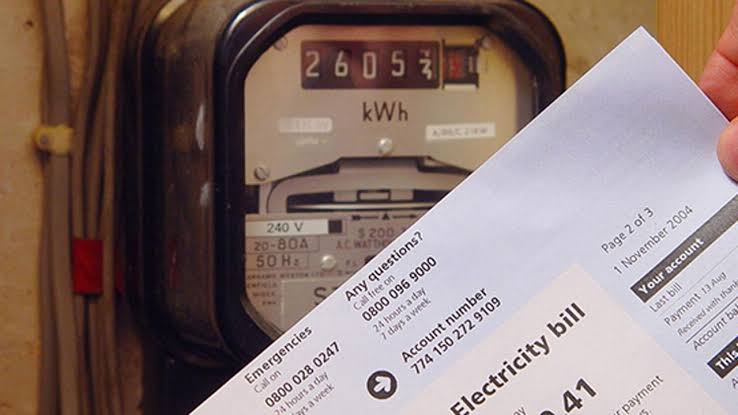
For these reasons and more, Senator Enyinnaya Abaribe’s leadership in pushing this legislative initiative is timely. There is a dire need to resolve identified discrepancies in Nigeria’s power sector—particularly issues around power supply efficiency, the wide metering gap, the offensive estimated billing system, and overall customer dissatisfaction.
However, the true success of the Amendment Bill will depend on whether it brings tangible improvements in electricity access, reliability, and affordability for all Nigerians.
Given the persistent challenges—from generation shortfalls to distribution bottlenecks and widespread dissatisfaction with tariffs—the ongoing amendment to the Electricity Act 2023 presents a timely opportunity. It should involve consultations with all stakeholders, including the Forum of Commissioners of Power and Energy, to address structural weaknesses, improve regulation, and empower states in line with the decentralisation goals of the Act.
The review process must be transparent, inclusive, and grounded in consumer experiences, especially those in underserved communities. Stakeholder engagement with state governments, independent power producers, civil society, and consumer protection groups is crucial to achieve a fairer, more efficient power system.
One major concern is the Federal Government’s failure to pay electricity subsidies, prompting NERC to allegedly charge Band A customers N50/kWh above cost-reflective levels. This cross-subsidization is unsustainable, raising questions about investor confidence and the future of state-level electricity regulation.
While the Enugu State Electricity Regulatory Commission (EERC) estimated a generation cost of N45/kWh over the next five years, the current national average remains at N112/kWh. This disparity forces the Federal Government to shoulder a subsidy shortfall of around N67/kWh, deepening market inefficiencies.
The current banding system—charging customers based on hours of electricity supplied—has been widely criticized as fraudulent and exploitative. Nigerians argue that those lucky enough to receive more power should pay fairly via metered usage, not punitive rates.
Frequent protests against Band A tariffs reflect public frustration, as many feel punished for circumstances beyond their control. The system should be replaced with a transparent “pay-as-you-go” model.
The electricity tariff debate extends beyond pricing. It is fundamentally about equity, reliability, and good governance. Many Nigerians feel the current system disproportionately burdens certain regions, consumer categories, or income groups while granting preferential treatment to others.
The lack of transparency in tariff determination and the exclusion of the public from meaningful consultation further erode trust in regulatory institutions like NERC.
Nigeria, a resource-rich country, should not be grappling with erratic power supply in the 21st century. Reliable electricity is critical for manufacturing, healthcare, education, agriculture, ICT, and households. Without it, Nigeria risks losing development opportunities and foreign partnerships.
As the regulator, NERC must reconsider the recent tariff hikes. Why should Nigerians pay more for electricity when supply remains unreliable? For struggling households and businesses, higher tariffs without improved service amount to injustice and exploitation.
Ultimately, any sustainable solution must prioritize affordable access, fairness, and accountability while tackling corruption and inefficiencies in the power sector.