Report: 4,722 Kidnapped, ₦2.57bn Paid in Ransoms Across Nigeria in One Year
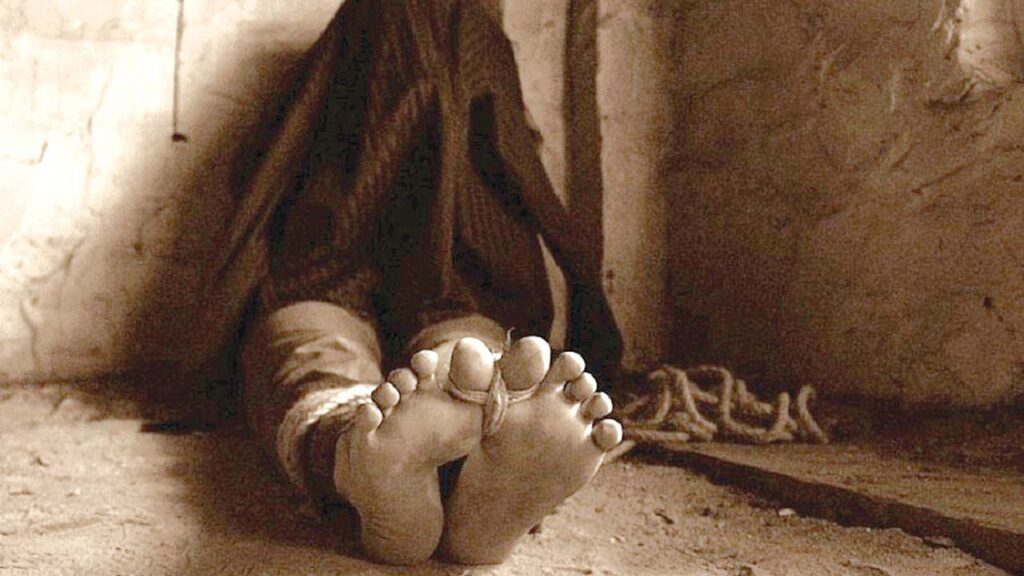
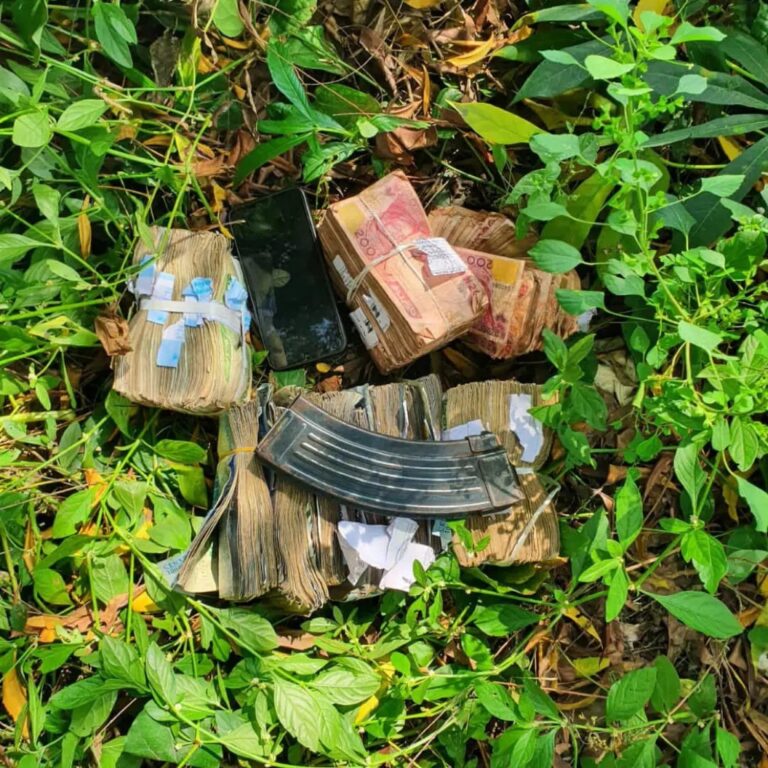
No fewer than 4,722 people were kidnapped across Nigeria between July 2024 and June 2025, with ₦2.57 billion paid in ransoms against demands totaling ₦48 billion, according to a new report by SBM Intelligence.
The report, Locust Business: The Economics of Nigeria’s Kidnap Industry – A 2025 Update, describes kidnapping as both a deepening national security threat and a thriving illicit economy.
Within the period under review, 997 kidnapping incidents were recorded nationwide, resulting in 762 deaths. Civilians made up the majority of fatalities (563), alongside 180 kidnappers and 19 security operatives.
The report warns that ransom payments are no guarantee of safety: at least 32 victims were killed despite families paying. In some cases, ransom couriers were themselves abducted or killed.
The Northwest remained the epicentre of the crisis.
Zamfara recorded the highest number of victims (1,203).
Katsina reported the most incidents (131).
Kaduna had 629 victims.
Together, these three states accounted for nearly half of all abductions nationwide. Sokoto and Niger were also among the top five. By contrast, Lagos and Osun reported the lowest figures—nine and one respectively—though targeted abductions were still recorded in Delta, Rivers, and Anambra.
Religious figures, particularly Catholic clergy, remained prime targets. At least 17 priests were abducted—mostly in Borno and Kaduna—with ransom demands averaging ₦85 million. In one case, Rev. Fr. Sylvester Okechukwu was killed in Kaduna despite ransom being paid.
Mass abductions also persisted: 231 incidents involved more than five victims, representing 23 percent of cases. Zamfara alone accounted for 50 such cases involving 1,064 victims. Many abductees were forced into farm and mining labour under their captors.
The report highlights strong links between kidnapping and terrorism. Groups such as Boko Haram and the Mahmuda sect were tied to about one-third of ransom cases. The largest single ransom—₦766 million—was paid in Borno for the release of Justice Haruna Mshelia in September 2024.
Nigeria’s economic challenges also shape the kidnapping industry. While ransom payments in naira have surged, their dollar value has stagnated due to currency depreciation.
In 2022, ₦653 million in ransom was worth $1.13 million.
By 2025, ₦2.57 billion was valued at just $1.66 million.
Kidnappers now demand larger naira sums to offset devaluation, further straining impoverished communities.
The consequences extend beyond ransom payments:
Farmers in conflict zones have abandoned fields, deepening food insecurity.
Schools have closed in high-risk areas, leaving millions of children out of classrooms.
Businesses in the North are relocating or shutting down, worsening unemployment.
These trends deepen poverty in already vulnerable regions.
Public Trust and Security Gaps
An Afrobarometer survey cited in the report revealed that 68 percent of Nigerians believe security agencies are failing to manage insecurity. This perception has fueled reliance on vigilante groups, which, while offering some deterrence, complicate state-led operations and contribute to cycles of reprisal violence.
SBM concluded that kidnapping for ransom has evolved into a self-sustaining industry—not just a by-product of weak security, but a lucrative criminal enterprise entrenched in Nigeria’s economy.