Red Sea Undersea Cable Cuts Disrupt Internet Access Across Multiple Regions
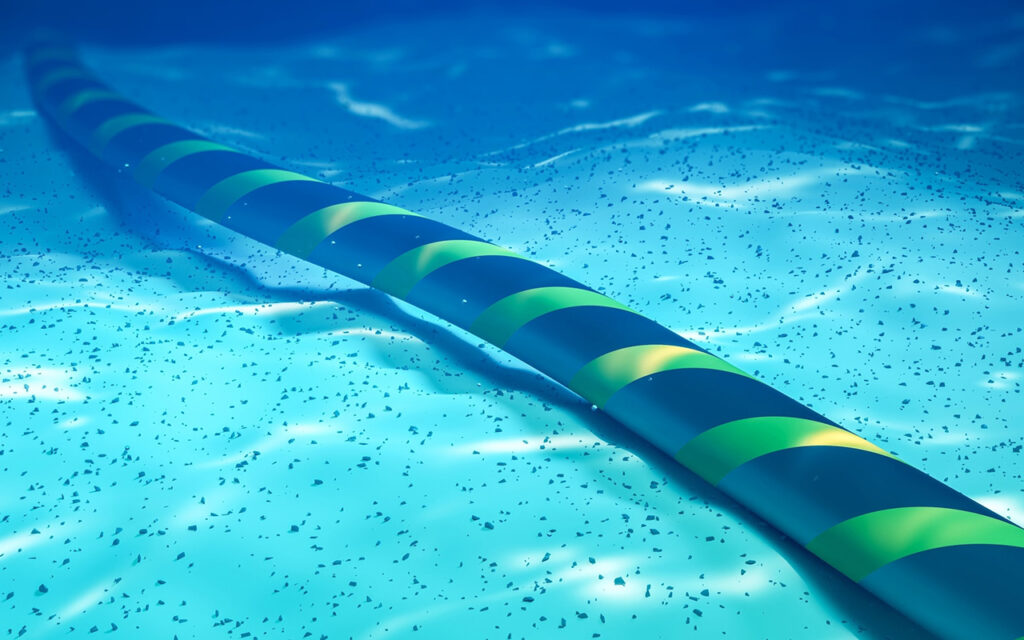
Widespread internet disruptions are being reported across Asia and the Middle East following damage to multiple undersea cables in the Red Sea, a critical corridor for global data traffic.
Undersea cables, alongside satellites and land-based infrastructure, form the backbone of the internet. While providers often reroute traffic during outages, the cuts have significantly slowed connectivity in affected regions.
Microsoft confirmed that its Azure cloud platform has experienced “increased latency” and degraded cross-regional services due to the severance of subsea cables. Though traffic outside the affected corridor remains stable, millions of Azure users are facing delays in connections between Asia, the Middle East, and Europe.
NetBlocks, a watchdog organisation, identified failures on the South East Asia–Middle East–Western Europe 4 (SMW4) and the India-Middle East-Western Europe (IMEWE) cable systems near Jeddah, Saudi Arabia. These cables are vital links in the global internet network.
The exact cause of the outage has not been confirmed, but the incident comes amid ongoing Houthi rebel attacks on shipping lanes in the Red Sea. Though the Houthis deny targeting subsea infrastructure, speculation persists. Experts note that cable cuts can also result from ship anchors or accidents, with repairs often taking weeks.
In the United Arab Emirates, users on state-owned Du and Etisalat networks reported markedly slower speeds, though authorities have yet to issue a formal statement.
A recent Nature Electronics study warned that the world’s overreliance on submarine cables—responsible for transmitting over 95% of international data—poses systemic risks to communications, commerce, and security.
Dr. Asaf Tzachor of Reichman University described the system as a “fragile chokepoint,” noting that while undersea cables have enabled global connectivity, they also represent a major vulnerability.