Power Crisis Deepens as Grid Output Falls to 3,000MW
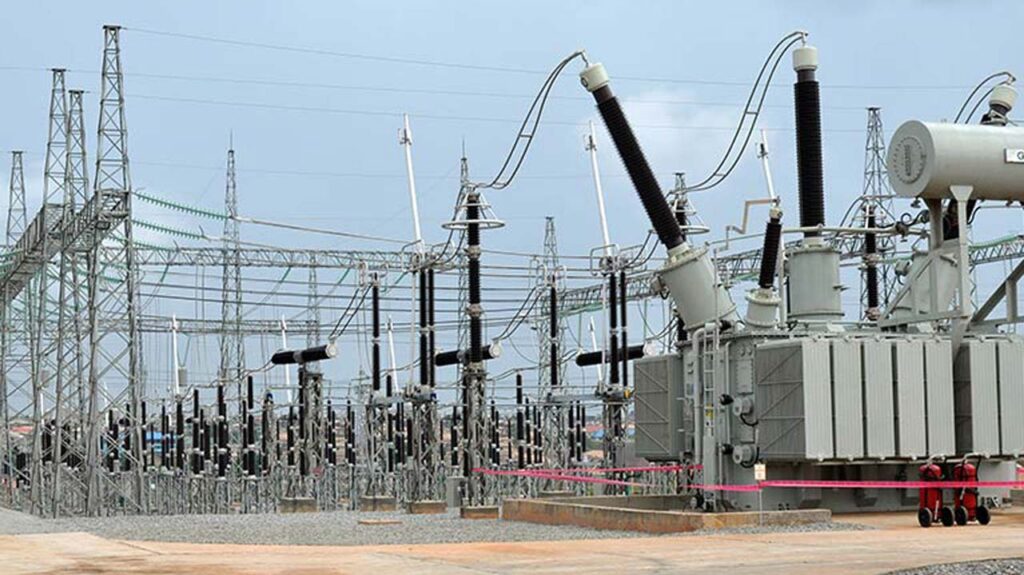
Nigeria’s persistent electricity crisis has worsened as national grid output dropped to an average of 3,000 megawatts (MW), despite an installed capacity of 13,625MW. The collapse has been linked to gas supply issues, ageing infrastructure, and a deepening liquidity crisis in the power sector
Key issues highlighted include:
13,625MW installed capacity vs. only 3,000MW delivered
Over N4 trillion in unpaid debts to GenCos
8,229MW idle capacity in Q2 2025
Over N5 trillion in annual economic losses
The Nigerian Independent System Operator (NISO) attributed the latest disruption to the recent Escravos-Lagos gas pipeline explosion, promising improved supply within 24–48 hours once repairs are completed.
Despite this, load allocation remains far below expectations, with Abuja Disco receiving the highest allocation at 496MW and Yola Disco the lowest at 94MW.
A Market in Distress
Experts say Nigeria’s problem is less about gas supply and more about:
Unpaid market obligations
Weak commercial enforcement
Ageing plants operating far below capacity
Poor governance and failed regulatory contracts
Dr. Joy Ogaji of the Association of Power Generation Companies stated:
“Nigeria does not have a gas shortage. The only shortage we have is payment.”
Hydro Plants Can’t Fill the Gap
Hydropower, which should stabilise supply,
has struggled due to low water levels and
climate-driven rainfall changes. This leaves the grid exposed when gas plants fail.
Conclusion
Analysts warn that until:
Contracts are enforced,
Liquidity is restored,
Governance improves, and
Proper market structures are implemented,
Nigeria’s grid will continue to deliver far below potential, risking continued outages and economic losses.