PDP Crisis Deepens: Wike, Bode George Trade Blame Ahead of 2027 Elections
By: Titilope Johnson
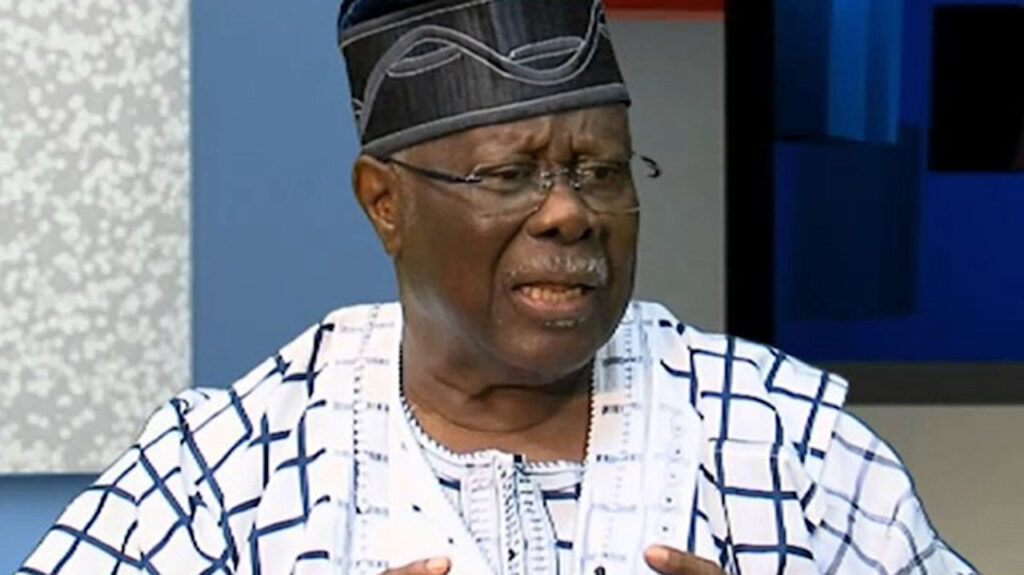
The internal crisis rocking the Peoples Democratic Party (PDP) has escalated as two of its top figures—Minister of the Federal Capital Territory (FCT) Nyesom Wike and PDP Board of Trustees member Chief Olabode George—engage in a public war of words, further exposing fractures that threaten the party’s chances in the 2027 general elections.
Wike vs. George: War of Words
In a scathing interview, Wike dismissed George as irrelevant, claiming he has “nothing to show” for his decades-long presence in the party. The former Rivers State governor suggested that George has lost touch with the party’s direction and accused him of failing to build a viable PDP structure in Lagos.
George fired back, describing Wike’s statements as “unfounded” and indicative of “political immaturity and historical ignorance.” He asserted that Wike, as a newer member of the PDP, lacks the institutional memory of the party’s foundational efforts, particularly in the South-West.
“Wike is too young in the party to know what we did to build this structure. He should not throw stones when he does not understand the house,” George said.
Zoning Dispute and 2027 Presidency
Despite their differences, both leaders agree on one point: the PDP’s 2027 presidential ticket should be zoned to the South. George called this an issue of fairness and federal balance, following the North’s recent dominance with Atiku Abubakar’s candidacy in 2019 and 2023.
However, George warned that Wike’s aggressive push for zoning could alienate stakeholders.
“There’s a way to fight for justice without destroying the house,” he cautioned. “Wike’s method is combative and could end up being counterproductive.”
Anyanwu’s Return Sparks Legal Tension
The party’s internal conflict is also fuelled by the return of Senator Samuel Anyanwu to the position of National Secretary after contesting and losing the 2023 Imo State governorship election. George labelled this move a “constitutional aberration.”
“You cannot abandon your office, lose an election, and return to it like nothing happened,” he said, adding that Wike’s support for the return is “dangerous and illegal.”
PDP leaders from Abia State have also contested Anyanwu’s return, arguing that by zoning rules within the South-East, the secretary position should now go to Abia.
NEC and Convention Plans Met With Skepticism
To stem the party’s internal unrest, the PDP National Executive Committee (NEC) recently set up a Convention Planning Committee. But George expressed doubts, warning that if due process is ignored, the party may plunge deeper into crisis.
“This is not the time for impunity or rubber-stamped decisions. The party must listen to the grassroots and elders,” George advised.
Wike Defends Loyalty, Denounces Critics
Meanwhile, Wike defended himself against accusations of disloyalty and extravagant spending. In his latest media chat, he declared himself a political “asset,” dismissing claims that he was undermining the PDP or Governor Siminalayi Fubara of Rivers State.
“I am not a liability. I am an asset. Whether you agree or not, I remain a major force in this country’s political structure,” Wike said.
He denied involvement in efforts to remove Anyanwu and condemned attempts to do so without due process.
“He was elected, not appointed. If someone must leave, it’s those who promote impunity—not those elected by the entire party,” Wike said.
Wike also highlighted declining PDP influence in South-South strongholds such as Delta and Akwa Ibom, blaming party leaders for ignoring intelligence about voter disenchantment.
The Ground Rent Controversy
The fallout between the two leaders also extends to the FCT’s sealing of the PDP national secretariat over N7 million in unpaid ground rent. George had criticised Wike for not paying the sum to demonstrate party loyalty.
Wike responded harshly:
“If an old man has no job, sit in your house and read newspapers,” he said. He further alleged that George himself owes the FCTA.
Public Criticism of Wike’s Spending
Social critic Ifeanyi Ejiofor condemned Wike’s monthly media chats, accusing him of wasting public funds in the face of widespread poverty.
“This is not a time for flamboyance and fanfare. It is a moment that demands humility, responsibility, and an unwavering commitment to the public good,” Ejiofor said.
He urged President Tinubu to rein in Wike’s excesses, arguing that the funds could better serve urgent public needs, including education, healthcare, and flood relief.
Conclusion
The escalating feud between Wike and George illustrates the PDP’s deepening identity and leadership crisis. With internal zoning battles, leadership disputes, and credibility challenges among voters, analysts warn that unless resolved, these issues could severely damage the party’s ability to compete in the 2027 general elections.





The PDP’s internal crisis seems to be deepening, and it’s concerning how public figures like Wike and George are airing their grievances so openly. Wike’s dismissal of George’s contributions feels harsh, especially considering George’s long-standing involvement in the party. However, George’s counterarguments about Wike’s lack of institutional memory also raise valid points. It’s interesting that both agree on zoning the 2027 ticket to the South, though their methods of advocating for it differ drastically. George’s caution about Wike’s combative approach makes sense—fighting for justice shouldn’t destabilize the party. Do you think this public feud will ultimately harm the PDP’s chances in 2027, or could it lead to necessary reforms? I’m curious to hear your take on how the party can navigate these internal tensions without further fracturing.