Papal Conclave: Step-by-Step Guide to Electing a New Pope
As the conclave to elect a successor to Pope Francis begins Wednesday, 133 cardinal electors will gather in the Vatican’s Sistine Chapel for one of the Catholic Church’s most solemn and secretive traditions. Here’s a detailed step-by-step guide to how a new pope is chosen:
Preparations
- Eligible Voters: 133 cardinal electors under the age of 80 will participate, after two withdrew for health reasons.
- Accommodation: During the conclave, the cardinals stay at the Santa Marta guesthouse within Vatican City.
- Opening Rituals: On the first day, the cardinals attend a morning Mass at 10:00 a.m. (0800 GMT) in St. Peter’s Basilica.
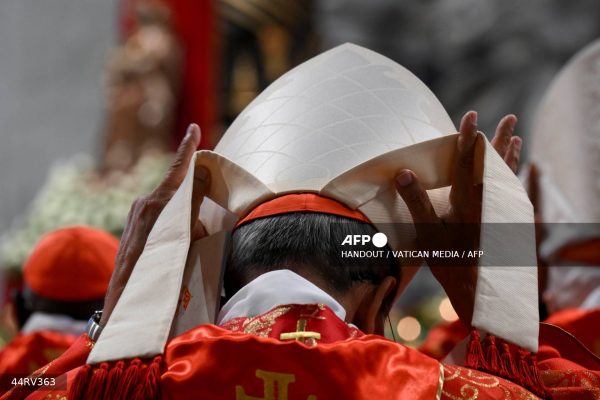
- Procession to Sistine Chapel: Dressed in their scarlet cassocks with white rochets, red mozettas, pectoral crosses, and rings, the cardinals gather at 4:30 p.m. (1430 GMT) in the Pauline Chapel for prayer before moving to the Sistine Chapel, which will be cleared of all surveillance devices.
- Secrecy Oath: Before the vote, all electors swear an oath of secrecy, under penalty of excommunication.
- Exclusion of Non-Electors: The master of ceremonies, Prelate Diego Ravelli, announces “extra omnes” (“everyone out”), removing all non-voters from the chapel. Cardinal Raniero Cantalamessa then delivers a spiritual meditation and exits.
Election Process
- Roles Assigned by Lot:
- Scrutineers: 3 cardinals to count votes.
- Infirmarii: 3 to collect votes from any sick cardinals.
- Revisers: 3 to verify the vote tally.
- Casting Votes:
- Each cardinal receives a ballot marked “Eligo in Summum Pontificem” (“I elect as Supreme Pontiff”).
- They write their chosen candidate’s name discreetly, fold the ballot, and take it to the altar.
- Each elector swears: “I call as my witness Christ the Lord, who will be my judge, that my vote is given to the one who before God I think should be elected.”
- The ballot is placed in a silver urn. Non-ambulatory cardinals may hand their votes to a scrutineer to submit on their behalf.
- Vote Collection:
- Ballots are mixed, counted to ensure they match the number of voters, then read aloud and strung together.
- Two-thirds of votes are required to elect a new pope.
- Voting Rounds:
- On day one, only one vote is held. Subsequently, there are up to four votes daily: two in the morning, two in the afternoon.
- If no pope is elected after three days, voting pauses for prayer and reflection before resuming.
- Smoke Signals:
- At the end of each session, ballots are burned. Black smoke means no decision; white smoke signals a new pope. Chemicals are used to produce the colors.
Acceptance and Announcement
- Once a cardinal secures two-thirds of the votes, the dean of the College of Cardinals, Giovanni Battista Re, asks: “Do you accept your canonical election as Supreme Pontiff?”
- Upon accepting, he becomes the new pope immediately, marking the end of the conclave and the beginning of a new papacy.