Nigerians Stranded as U.S. Embassy Quietly Revokes Valid Visas
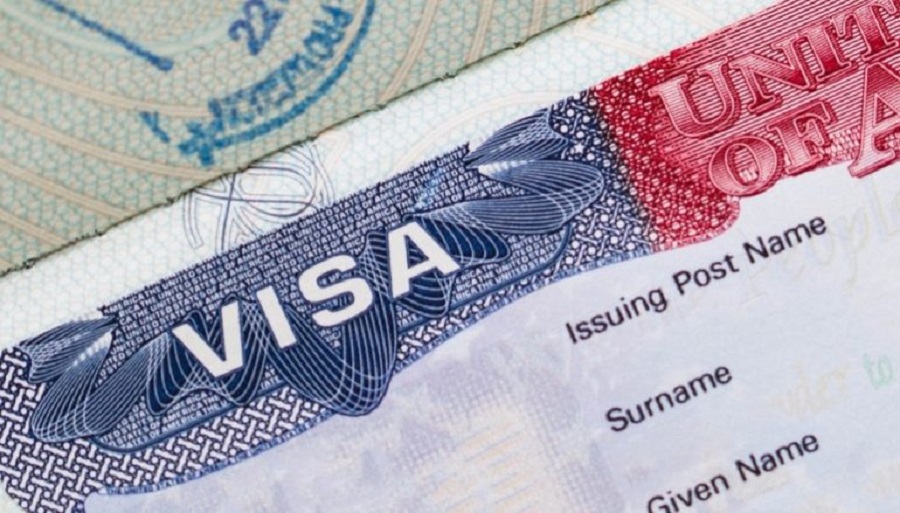
The United States Embassy in Nigeria has begun revoking valid visas previously issued to Nigerian citizens, leaving professionals, entrepreneurs, frequent travellers, and families stranded with disrupted plans and mounting financial losses.
Former Chief Corporate Communications Officer of NNPC Ltd, Olufemi Soneye, revealed the development in an article titled: “The Quiet Revocation: Why is the U.S. Silently Cancelling Nigerians’ Visas?”
According to him, several individuals confirmed receiving official letters in recent weeks, instructing them to submit their passports at U.S. consulates in Lagos or Abuja. Once submitted, their visas were summarily cancelled without explanation.
The notices, citing Title 22, Code of Federal Regulations, Section 41.122, vaguely stated that “new information became available after the visa was issued,” but provided no evidence, details, or appeal process.
Those affected include:
A prominent journalist
The head of a federal agency scheduled to deliver an international address
An Abuja-based entrepreneur with a spotless travel record
Others impacted are professionals and frequent travellers who rely on U.S. visas for education, family reunions, medical care, and critical business engagements.
Several travellers were forced to cancel overseas trips, refund tickets, or explain last-minute withdrawals from global meetings. In some cases, revocations were only discovered at airports or boarding gates, with travellers briefly detained by immigration officials before being turned back.
Neither the U.S. Embassy nor the Nigerian government has issued a public statement on the wave of cancellations, fueling speculation of a quiet but targeted tightening of U.S. visa policy against Nigerians.
Analysts warn the move may be linked to longstanding scrutiny of applicants from high-migration countries, with Nigeria often under special review. Previous U.S. policy documents encouraged consular officers to apply heightened vetting standards to certain nationalities—raising fears this may be a continuation of that practice.





