Nigerian Engineer Develops AI-Powered Drones to Combat Malaria
By Titilope Johnson
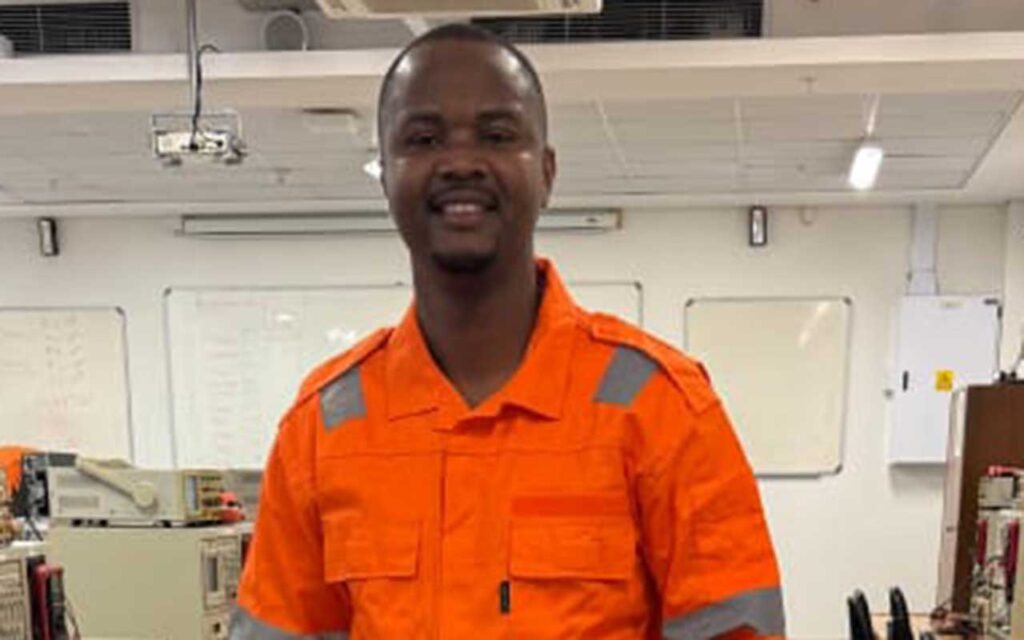
A Nigerian-born engineer, Mike Oluwaseun Ojumu, has developed drone technology designed to reduce malaria transmission in vulnerable communities.
Ojumu, who grew up in Katsina State, where malaria was a constant challenge, is pioneering the use of autonomous drones equipped with AI-driven spraying systems to target mosquito-breeding sites. His innovation provides a cost-effective alternative for families unable to afford conventional insecticides.
“With malaria, treatment became almost routine in my community. I wanted to imagine solutions beyond medicine,” he explained.
A mechanical engineer with expertise in subsea robotics and autonomous systems, Ojumu began his journey with limited resources, building his first flight controllers from salvaged components. Today, his drones use computer vision and sensor technologies to detect mosquito habitats and deliver precision spraying.
Globally, drones are applied in agriculture, disaster response, and security, but Ojumu believes their greatest impact in Africa lies in public health and food security.
“The biggest investment opportunities in drones are no longer about novelty but necessity,” he said.
Ojumu is also urging Nigerian universities to integrate drone technology into STEM programmes through affordable kits and competitions, equipping students with practical skills. He stressed that local manufacturing and partnerships are crucial to reducing Africa’s reliance on imports and ensuring sustainability.
Reflecting on his journey, Ojumu said:
“As a child, I often questioned why a disease as common as malaria held such power over our lives. That curiosity planted the seeds of resilience in me. From fragments of scrap to life-saving interventions, this journey proves that technology guided by purpose can change lives.”