Nepal Plunges Into Crisis as PM Resigns Amid Protests, Social Media Ban
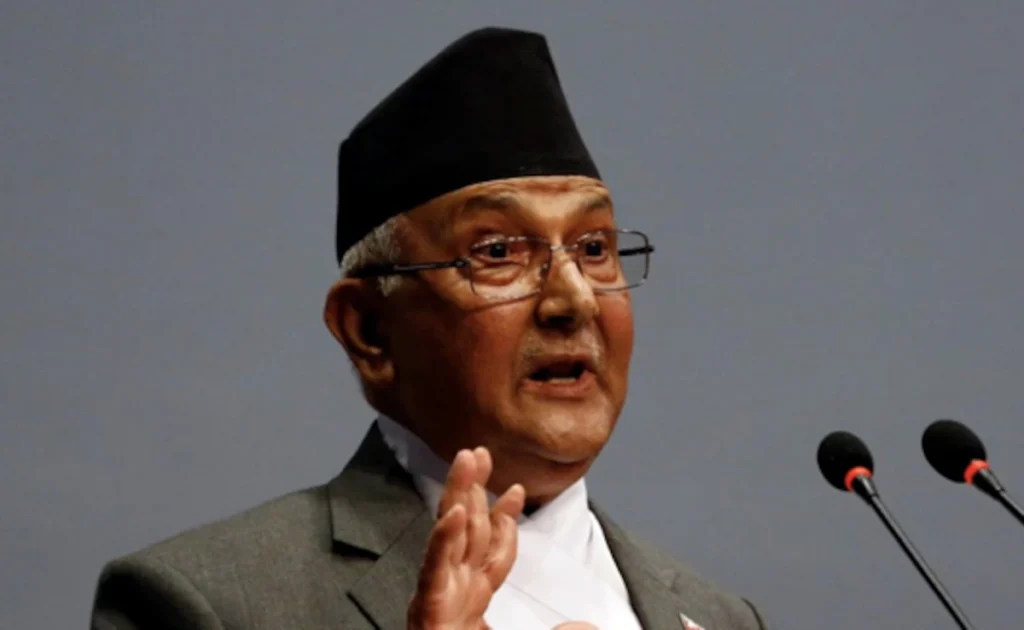
Nepal is in turmoil following the resignation of Prime Minister KP Sharma Oli, as mass protests over corruption and a controversial social media ban spiraled into deadly violence. At least 19 people have been killed and over 100 injured since unrest escalated on Monday.
The Nepal Army announced it would assume responsibility for law and order, with Chief of Army Staff, General Ashok Raj Sigdel, calling for restraint and urging protesters to return to dialogue.
“There has been a huge loss of life and property. We appeal to demonstrators to suspend their protest and come for dialogue,” Sigdel said.
Protests and the “Nepo Kids” Campaign
The protests, led largely by young Nepalis, were triggered by the government’s ban on 26 social media platforms, including Facebook, Instagram, YouTube, and WhatsApp. Authorities claimed the move was to curb fake news and online fraud, but critics said it was an attempt to silence dissent.
Although the ban was reversed late Monday, anger had already spilled into the streets. Demonstrators stormed parliament, vandalised the homes of top politicians, and clashed with security forces despite curfews.
Much of the outrage was fueled by the viral “Nepo Kids” campaign, which exposed the lavish lifestyles of politicians’ children on TikTok and Instagram. The hashtag #NepoKids quickly topped social media trends, intensifying public resentment over corruption and privilege among Nepal’s elite.
Political Fallout
In addition to Oli, several cabinet members resigned, including Water Supply Minister Pradeep Yadav and Agriculture Minister Ram Nath Adhikari, both criticising the government’s handling of the protests.
Foreign embassies in Nepal, including those of the US, UK, Japan, France, and Australia, issued a joint statement urging respect for the right to peaceful assembly and freedom of expression while condemning the violence.
Analysts Weigh In
Experts say the crisis reflects deeper structural issues. Dr Nicholas Erameh of the Nigerian Institute of International Affairs described the protests as the result of “deep-seated social injustices and persistent hopelessness,” while international relations scholar Prof. Femi Otubanjo said Nepal’s homogeneity makes mobilisation easier compared to divided societies like Nigeria.
“The lesson is that citizens must keep pressure on leaders and organise against tyranny,” Otubanjo said.
From Ban to Bloodshed
The crisis traces back to Nepal’s August 2025 order requiring foreign social media companies to register locally or face bans. Platforms like TikTok and Viber complied, but others, including Meta and YouTube, resisted, citing excessive government demands for user data and compliance burdens.
When the government moved to enforce the ban, youth groups who rely on social media for work and self-expression mobilised. What began as peaceful demonstrations in Kathmandu quickly escalated, with protesters accusing the government of corruption, repression, and neglect of citizens’ welfare.
By September 8, clashes had left nearly 20 people dead, forcing Oli to step down and plunging Nepal into uncertainty.