Lagos Faces Shortfall of 66,000 Doctors and Nurses – Commissioner
The Lagos State Government has disclosed that it requires an additional 66,000 healthcare professionals—33,000 doctors and 33,000 nurses—to meet the medical needs of its residents.
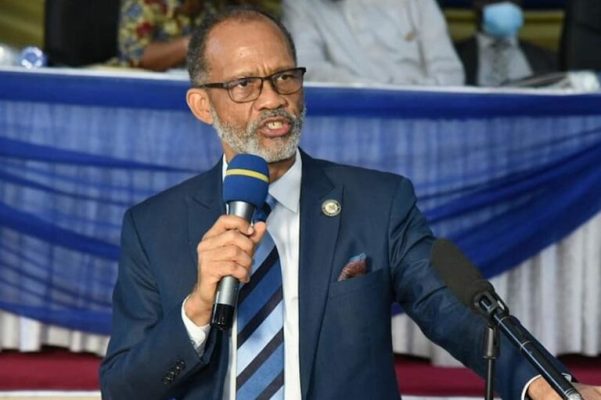
Commissioner for Health, Prof. Akin Abayomi, made this revelation during a media briefing on Tuesday, held to mark the second year of Governor Babajide Sanwo-Olu’s second term in office. He noted that while the state currently has 7,000 doctors, the demand far exceeds the available workforce.
To address the gap, Abayomi said the state is leveraging the newly established University of Medicine and Health (UMH), which is expected to produce about 2,500 healthcare professionals annually within the next five years. Graduates will include doctors, nurses, and laboratory scientists.
On health insurance, the Commissioner reported that only 1,252,959 residents—representing 4.17 per cent of the registered population—are enrolled in the state health insurance scheme. Currently, 419 health facilities are providing services under the programme. He expressed optimism that the recent implementation of a mandatory health insurance law will expand the funding pool and boost enrolment.
Providing updates on infrastructure, Abayomi said that key healthcare projects are nearing completion. The 150-bed Massey Street Children’s Specialist Referral Hospital in Lagos Island is 70 per cent completed. The 280-bed Ojo General Hospital and Staff Quarters in Iba is 75 per cent complete, while the Mental Health Institute in Epe has reached 65 per cent completion. All three facilities are scheduled for commissioning by April 2026.
He further disclosed that 135,224 residents are living with HIV and that the government has engaged over 100 religious leaders to serve as HIV/AIDS ambassadors. The state also conducted free cervical cancer screenings for 154,228 patients and treated 8,613 women using thermal ablation. Additionally, 300 men were screened for prostate cancer.
On non-communicable diseases, the government has screened 312,927 individuals for hypertension and diabetes. With Lagos’ population estimated at 30 million, Abayomi said hypertension affects 20 per cent of residents, with 70 per cent unaware of their condition. Obesity prevalence stands at 12 per cent, while diabetes affects 6 per cent of the population—half of whom are unaware they have the condition.