ICPC, FRC Sign MoU to Strengthen Fight Against Financial Mismanagement
In a bid to strengthen Nigeria’s anti-corruption framework, the Independent Corrupt Practices and Other Related Offences Commission (ICPC) and the Fiscal Responsibility Commission (FRC) have signed a Memorandum of Understanding (MoU) to enhance fiscal oversight, transparency, and accountability in public financial management.
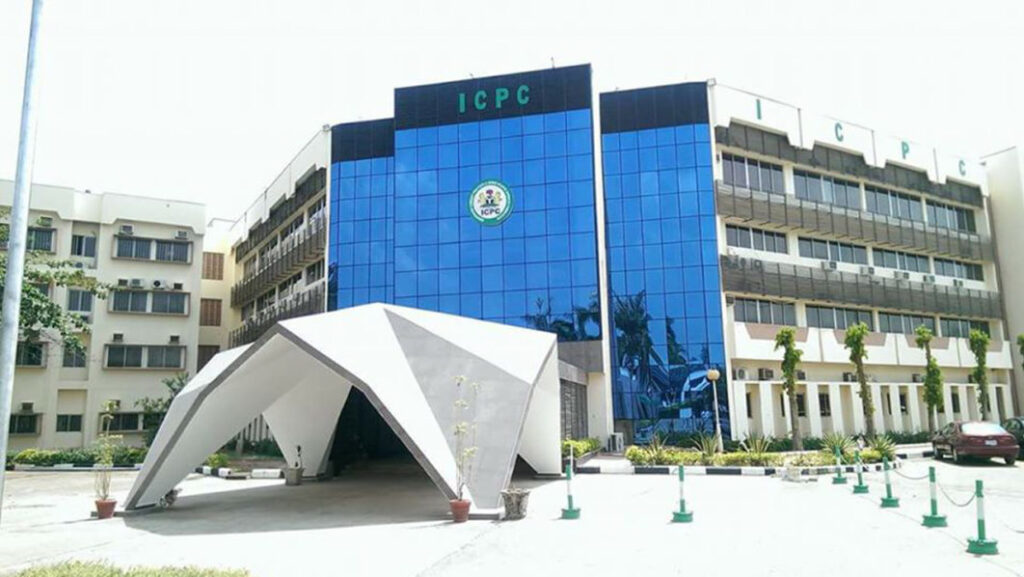
The MoU, signed at the ICPC headquarters in Abuja, coincided with International Anti-Corruption Day, an alignment both agencies said underscores Nigeria’s commitment to tackling corruption.
Welcoming the FRC delegation, ICPC Chairman Dr. Musa Adamu Aliyu, SAN, emphasized the importance of inter-agency collaboration in promoting accountability.
“Information is power, and working closely with the FRC is essential for promoting accountability in government spending, budgeting, and borrowing. The ICPC stands ready to support this partnership at all times,” he said.
Dr. Aliyu added that the partnership would leverage the FRC’s statutory mandate in monitoring fiscal operations to strengthen ICPC’s preventive and enforcement functions.
FRC Chairman Victor Muruako described the MoU as a formalisation of a productive collaboration that has existed over the years.
“While the FRC continues to collaborate with other law enforcement agencies, our relationship with the ICPC requires formalisation through this MoU to improve our collective service delivery,” Muruako said.
He also stressed that all government loans must comply strictly with fiscal laws, highlighting the need to address persistent breaches by some financial institutions.
Under the new agreement, ICPC and FRC will expand information sharing, intensify scrutiny of revenue and expenditure, and strengthen joint efforts to detect, investigate, and prosecute financial mismanagement and corruption nationwide.
J. Okor Odey, ICPC Spokesperson, expressed optimism that the renewed collaboration would significantly enhance transparency, accountability, and good governance in Nigeria’s public finance system.