Hajj Rites in Islam and Their Profound Significance
By Titilope Johnson
Hajj, one of Islam’s five pillars, is a deeply spiritual and transformative pilgrimage undertaken annually by millions of Muslims in Makkah, Saudi Arabia. It is obligatory for every physically and financially able Muslim to perform at least once in a lifetime.
Beyond its physical demands, Hajj carries immense spiritual significance, symbolizing submission, sacrifice, and unity within the global Muslim Ummah. Each ritual reflects historical and religious traditions linked to Prophet Ibrahim (Abraham), his wife Hajar, and their son, Prophet Isma’il (Ishmael).
Here are the key rites of Hajj and their meanings:
- Ihram: The Beginning of Purity and Equality
Pilgrims enter the state of Ihram by wearing simple white garments, symbolizing equality and humility before Allah. This rite also involves strict behavioral restraints, emphasizing spiritual focus and self-discipline, preparing believers for the sacred journey. - Tawaf: Circling the House of God
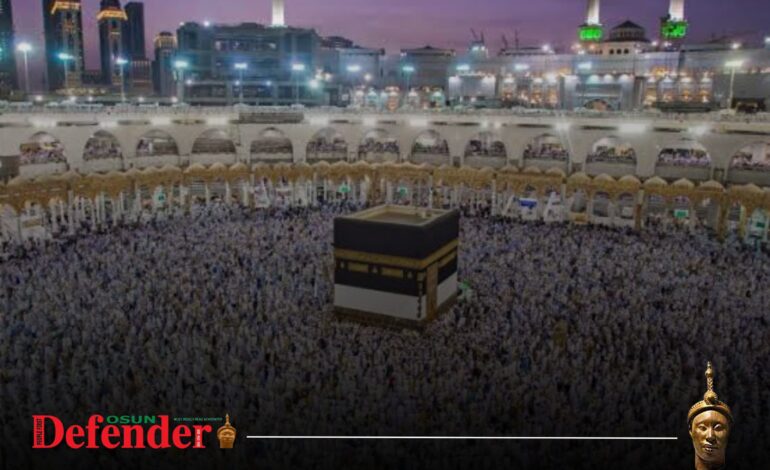
Pilgrims circumambulate the Kaaba seven times, demonstrating eternal devotion to Allah. This act fosters spiritual closeness, unity among believers, and the cleansing of sins. - Sa’i: Emulating Hajar’s Devotion
Walking seven times between Safa and Marwah hills commemorates Hajar’s search for water for Isma’il, teaching persistence, faith, and divine mercy. - Standing at Arafat: The Pinnacle of Hajj
On the 9th day of Dhul-Hijjah, pilgrims stand in prayer at Arafat, reflecting on their lives and seeking forgiveness. This rite symbolizes the Day of Judgment and is central to the validity of Hajj. - Stoning the Devil: Symbol of Rejection
Throwing pebbles at the pillars in Mina reenacts Prophet Ibrahim’s rejection of Satan’s temptation, symbolizing the believer’s fight against evil and reaffirmation of faith.
Hajj is not just a physical journey but a profound spiritual renewal. Pilgrims return home cleansed, humbled, and strengthened in faith, forever marked by the sacred rites of this holy pilgrimage.