French, Canadian Embassies Decry Rising Digital Hostility Against Women
By Titilope Johnson
The French Embassy, in partnership with the High Commission of Canada in Nigeria, has strongly condemned the increasing digital hostility targeted at women, as part of activities marking the 16 Days of Activism Against Gender-Based Violence.
The joint initiative seeks to draw attention to the growing wave of online harassment and discrimination faced by women, while advocating for a unified response to cyberbullying, misogyny and harmful digital content that undermines women’s rights and safety.
The embassies emphasised the need to promote digital literacy, raise awareness, and push for stronger policies that safeguard women in online spaces.
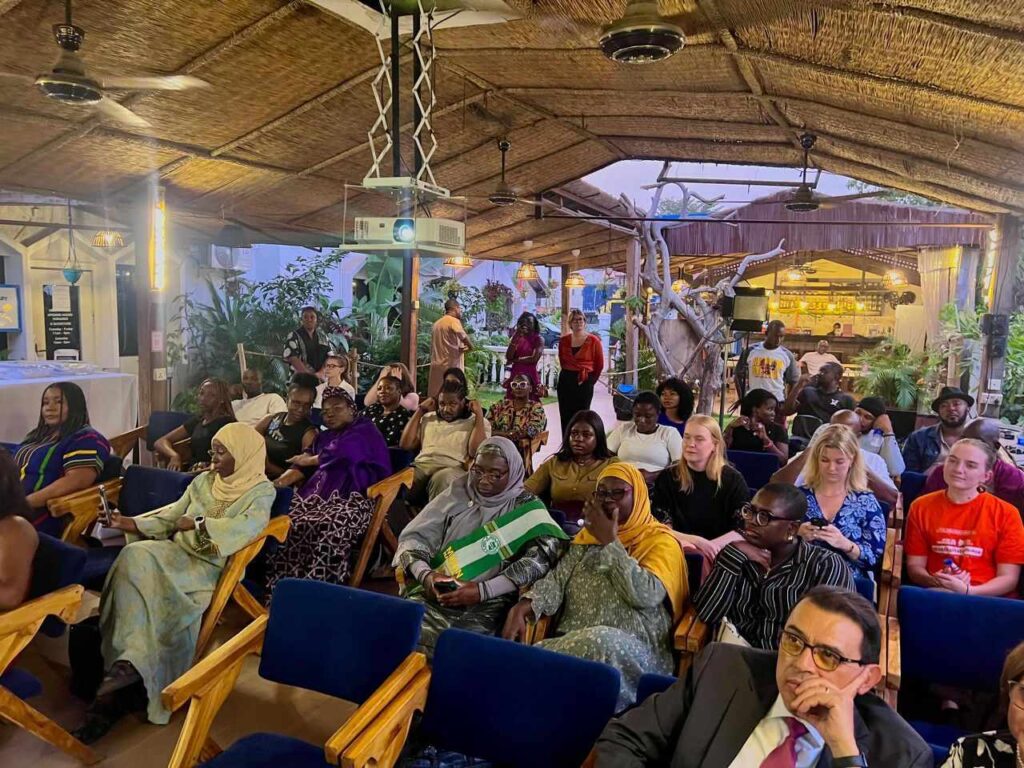
The event, held yesterday at the French Institute in Wuse, Abuja, featured the screening of the documentary “Backlash: Misogyny in the Digital Age.” Produced by filmmakers Léa Clermont-Dion and Guylaine Maroist, the film explores the often-hidden realities of online misogyny through the stories of women who have faced severe digital abuse affecting their careers and personal lives. It highlights the barriers women encounter when seeking leadership roles and sheds light on the widespread culture of discrimination that hinders their advancement.
Speaking at the event, the Head of Cooperation at the French Embassy, Mr. Thierry Valentin, said the screening marked the close of the global 16 Days of Activism campaign. He reaffirmed France’s commitment to feminist diplomacy and combating all forms of digital violence.
“The documentary sheds light on what women face when online attacks escalate, and how this affects their lives, their work and their freedom to speak,” he said. “It reminds us that what happens on a screen has real consequences, and each of us has a role in making digital spaces safer and more respectful.”
Similarly, the Head of Development Cooperation at the Canadian High Commission, Mr. Arash Irantalab, stressed that tackling digital hostility is a key component of Canada’s Feminist International Assistance Policy and its pursuit of inclusive governance.
He highlighted Canada’s role in promoting responsible technology governance, including the development of international digital safety standards. He noted that in Nigeria, Canada supports programmes that elevate women’s voices, address the root causes of gender-based violence, and provide support for survivors, ensuring technology becomes a tool for empowerment rather than oppression.
Irantalab also introduced the “Playbook for Gender Equality in the Digital Age,” a guide promoting best practices for gender-inclusive digital spaces, as well as the Guidelines on Supporting Human Rights Defenders, aimed at fostering safe online environments for civic engagement.
“It’s essential to recognise that technology-facilitated GBV undermines women’s participation in politics, journalism, activism, entertainment and daily digital interactions—not only in Nigeria, but globally,” he said. “By addressing this, we strengthen democratic values, uphold human rights and promote accountability for harm in digital spaces.”





