Four Men Publicly Executed in a Single Day Marks Grim Milestone in Taliban’s Afghanistan
Four men were publicly executed in Afghanistan on Friday, marking the highest number of executions carried out in a single day since the Taliban regained power in 2021, according to the country’s Supreme Court.
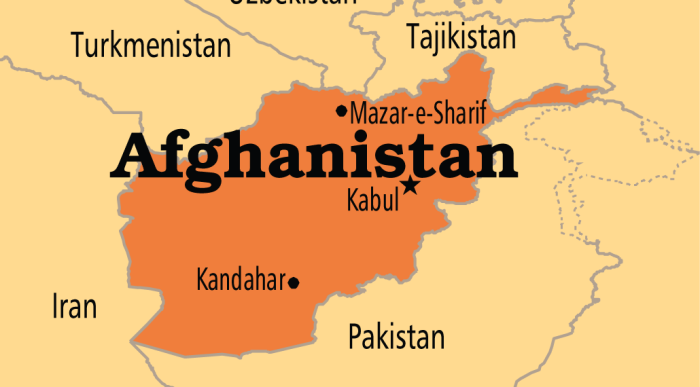
The executions took place in sports stadiums across three provinces, bringing the total number of public executions since the Taliban’s return to 10, based on an AFP tally. Such punishments, reminiscent of the group’s previous rule from 1996 to 2001, are again being carried out in front of gathered spectators.
In Qala-i-Naw, the capital of Badghis province, two men were shot multiple times by male relatives of their victims. Witnesses described the execution scene as the men were forced to sit with their backs to the crowd before being gunned down. “They were made to sit and turn their backs to us. Relatives from the victims’ families stood behind and shot them with a gun,” said Mohammad Iqbal Rahimyar, a 48-year-old eyewitness.
The Supreme Court stated that the men had been sentenced to qisas — retaliatory punishment under Islamic law — for murder, following what the court described as thorough judicial review. The victims’ families were given the option to offer amnesty but declined.
“If the family of the victim had forgiven the men it would be better, otherwise it’s God’s order, and should be implemented,” said Zabihullah, a 35-year-old spectator outside the stadium.
Official notices had been circulated in advance, encouraging the public to attend the events. The third and fourth executions occurred in Zaranj (Nimroz province) and Farah city, respectively.
Some Afghans expressed support for the executions. “It’s good that the Islamic Emirate shows its politics and force. I am very happy with that,” said Javid, 30.
However, the international community strongly condemned the acts. Amnesty International called the executions a “gross affront to human dignity” and urged the Taliban to end the practice immediately.
Qisas and the Taliban’s Justice System
The Taliban’s leader, Hibatullah Akhundzada, who rarely appears in public and governs from Kandahar, is known to personally sign off on all execution orders. In 2022, he directed judges to implement strict interpretations of Islamic law, including qisas, allowing retributive justice such as the death penalty for murder.
Corporal punishment, especially public floggings for crimes like theft, adultery, and alcohol use, has also become commonplace under the current regime.
The most recent previous public execution took place in November 2024 in Gardez, Paktia province, where a man convicted of murder was shot by the victim’s family in front of thousands, including senior Taliban officials.
The United Nations and human rights organizations have criticized these practices, citing concerns about fair trial standards and human rights violations. In its 2024 report, Amnesty International warned that Afghanistan was among several countries issuing death sentences without adhering to international norms. The report noted a global rise in executions, led by Iran, Iraq, and Saudi Arabia, with China’s true execution numbers remaining undisclosed.