FG to Link Credit Scores to NIN: Defaulters May Be Denied Passports, Public Services
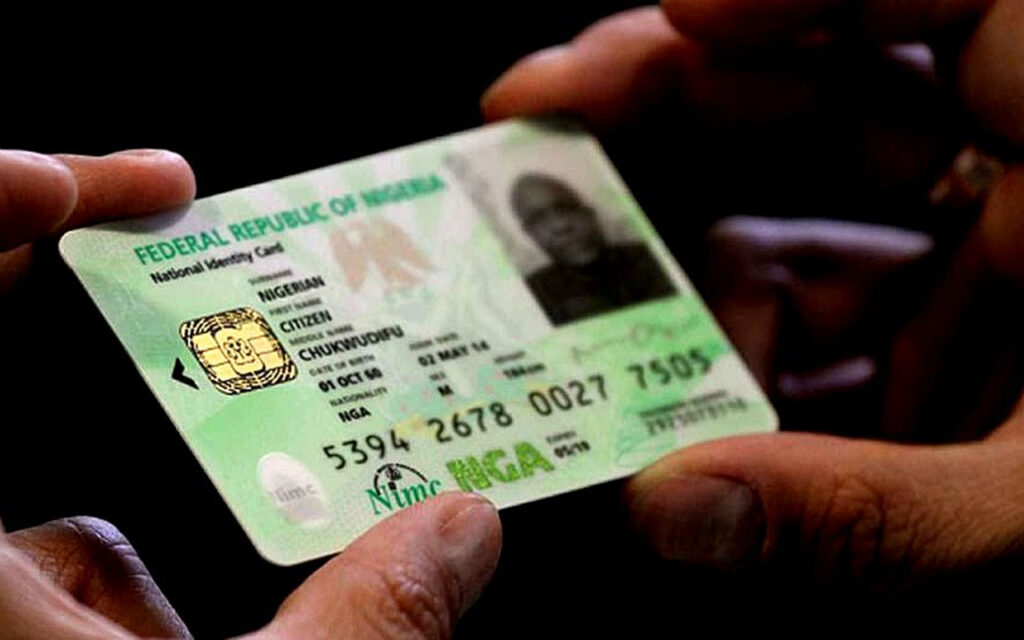
In a landmark financial reform, the Federal Government has announced plans to link Nigerians’ credit scores to their National Identification Numbers (NIN), creating a unified and transparent national credit system.
The Managing Director of the Nigerian Consumer Credit Corporation (CREDICORP), Uzoma Nwagba, revealed the initiative during a media briefing at the State House in Abuja. The move, he said, will consolidate data from banks, fintechs, and microfinance institutions into a central national credit bureau.
“This marks a fundamental shift in how credit works in Nigeria. Your NIN becomes your financial anchor. Whether you’ve borrowed from a bank, micro-lender, or fintech, your record will be tracked and will carry consequences,” Nwagba stated.
Consequences for Loan Defaulters
Nwagba warned that loan defaulters could face serious restrictions, including denial of passport renewals, driver’s license processing, or access to housing and other services.
“There will be no hiding place,” he said, adding that all financial institutions would now be mandated to report credit activities.
However, Nwagba emphasized that the system is designed to promote responsible borrowing, not to punish citizens:
“This is not about punishment. It’s about promoting discipline and rewarding financial responsibility.”
A National Credit Score for Every Nigerian
The upcoming system will generate comprehensive credit profiles for Nigerian adults, using both financial and non-financial data.
“The goal is simple: every Nigerian must have a credit score. Access to economic opportunities will be tied to how you manage your finances,” Nwagba said.
The reform is aligned with President Bola Tinubu’s Renewed Hope Agenda, which targets economic growth, reduced corruption, and improved living standards.
“This isn’t just about credit. It’s about giving people access to better lives. When people lack capital to meet their needs, they may resort to unethical practices. We’re changing that,” he added.
Boosting Local Industry and Private Sector Involvement
Nwagba also stated that the reform will support local production by tying some credit facilities to the purchase of made-in-Nigeria goods. This is expected to boost demand, create jobs, and stimulate sustainable economic growth.
He called on the private sector to actively engage, citing Nigeria’s credit gap estimated at ₦183 trillion:
“No government can fund that level of credit. But with strong institutions and transparency, lenders will have more confidence, interest rates will fall, and Nigerians will have real access to affordable credit.”
YouthCred: Credit Access for Young Nigerians
CREDICORP is also spearheading YouthCred, a programme targeting young Nigerians aged 18 to 35, especially National Youth Service Corps (NYSC) members.
“YouthCred is no longer an idea. It’s in motion. The systems are ready, and rollout is underway,” Nwagba confirmed.
Olanike Kolawole, Executive Director of Operations at CREDICORP, explained:
“YouthCred is not just about loans—it’s about building a financially literate generation. As we expand, we’re ensuring young people have the tools and habits to succeed.”
A New Era of Credit and Civic Responsibility
Officials stressed that the NIN-credit integration will eventually transform how Nigerians engage with public services and civic processes.





