Farmer-Herder Clashes Claim 3,000 Lives, Displace 300,000 in Five Years — Group Urges Ranching Reform
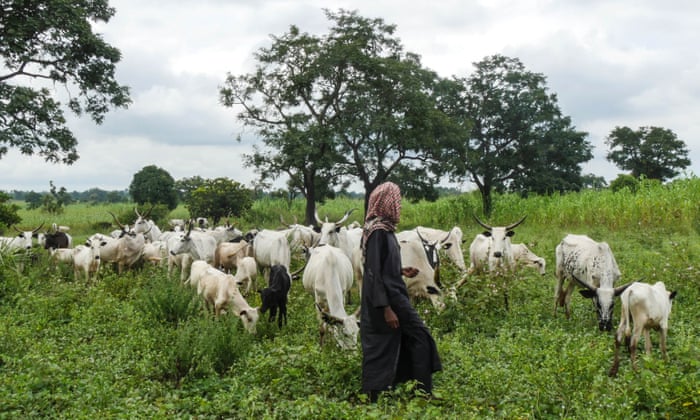
Farmer-herder clashes have claimed about 3,000 lives and displaced more than 300,000 Nigerians between 2018 and 2023, according to data from the Nigerian Security Tracker (2024).
Speaking in Abuja yesterday, Farouk Bala of the Youth Against Disaster Initiative (YADI) referenced the 2024 Nigeria Watch Report, which recorded an additional 567 deaths linked to such violence across 20 states and the Federal Capital Territory within one year.
The group called on the Federal Government to accelerate the introduction of structured ranching as both a national security strategy and an economic reform measure. It argued that beyond curbing violent conflicts, ranching presents an opportunity to modernise Nigeria’s underperforming livestock sector and unlock significant export potential.
Bala noted that although official figures show Nigeria’s livestock sector contributes over $32 billion to the Gross Domestic Product (GDP), the country earns only about $172,000 from meat exports.
“Despite an estimated cattle population of 20 million, placing Nigeria among the top 15 globally, the country generated only $172,000 from cow exports in 2024. Live animal exports stood at $1.15 million in 2021, while earnings from meat and edible offal exports remained below $200,000,” he said.
He compared Nigeria’s performance with other major beef-exporting nations. In 2024, Brazil recorded approximately $9.3 billion in beef exports, the United States posted $7.2 billion, Australia earned about $8 billion, while Uruguay generated $2.85 billion through high-quality, traceable beef production.
Bala attributed Nigeria’s low export earnings to systemic inefficiencies associated with open grazing, weak traceability systems, inadequate cold-chain infrastructure, and poor compliance with international health and sanitary standards.
He maintained that geographically defined ranching zones would help resolve disputes through legal and mediation channels rather than violence. According to him, settled pastoral communities would also enhance cooperation with security agencies.
YADI stressed that ranching reform is neither a cultural suppression policy nor a land-grab agenda, but a development-focused initiative aimed at modernising livestock production while preserving livelihoods, dignity, and social cohesion.
For the reform to succeed, the group advocated a holistic, inclusive, and incentive-driven framework. It also urged the National Orientation Agency (NOA), media organisations, civil society groups, and traditional and religious leaders to coordinate sustained public awareness campaigns highlighting the economic and security benefits of structured ranching.





