ECOWAS at 50: Between Legacy and Uncertainty
By: Titilope Johnson
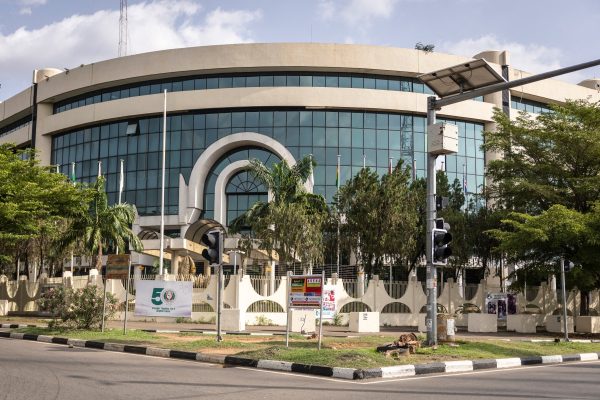
As the Economic Community of West African States (ECOWAS) marks its 50th anniversary, the milestone invites not just celebration, but serious reflection on its legacy and future. Founded on May 28, 1975, ECOWAS was envisioned as a bold experiment in regional integration—a response to the fragmentation, poverty, and post-colonial underdevelopment that plagued West Africa.
What began with 15 founding nations—including Nigeria, Ghana, Côte d’Ivoire, Senegal, and others—was rooted in the belief that a united regional front could ensure shared prosperity, stability, and peace.
A Legacy of Integration and Peacekeeping
Over the past five decades, ECOWAS has made meaningful strides. Its contributions to economic integration, conflict resolution, and free movement of people have shaped the identity of West Africa.
The creation of the ECOWAS Monitoring Group (ECOMOG) ushered in a new era of regional peacekeeping. From war-torn Liberia and Sierra Leone in the 1990s to The Gambia in 2017, ECOWAS demonstrated resolve in defending democracy and restoring peace.
The ECOWAS Trade Liberalisation Scheme (ETLS) launched in 1979, and the ECOWAS Bank for Investment and Development, also established in 1975, underscored the bloc’s economic ambitions. Thanks to ECOWAS initiatives, citizens of member states can now travel visa-free within the region for up to 90 days. Biometric ID cards have further enhanced cross-border travel and security.
Institutions like the ECOWAS Parliament, the Court of Justice, and the West African Health Organisation (WAHO) reflect a regional commitment to governance, justice, and public health.
New Fault Lines: Coups, Terrorism, and Disunity
Despite these achievements, ECOWAS now faces its most daunting tests. A string of military coups—in Mali, Burkina Faso, Guinea, and Niger—has destabilised the bloc and raised questions about its relevance and capacity to uphold democratic norms.
In January 2024, Mali, Burkina Faso, and Niger announced their withdrawal from ECOWAS, citing unfair sanctions and a lack of support amid worsening insecurity. This rupture threatens ECOWAS’ cohesion and has sparked a surge in anti-ECOWAS sentiment.
More troubling is the geopolitical shift among these countries, which are reportedly warming up to foreign powers like Russia, drifting further from ECOWAS’ founding principles and its traditional Western alliances.
Terrorism compounds the crisis. Groups such as Al-Qaeda in the Islamic Maghreb and ISIS in the Greater Sahara have turned parts of the Sahel into active war zones. According to the 2024 Global Terrorism Index, West Africa is now the global epicentre of terrorism, with fragile states and porous borders providing fertile ground for extremist groups.
Stalled Progress and the Road Ahead
While ECOWAS champions free movement and regional trade, implementation lags behind. Border harassment, trade barriers, and weak enforcement of treaties continue to plague the region. The long-promised single currency, the “Eco”, has been postponed repeatedly due to poor macroeconomic alignment and insufficient political will.
Meanwhile, intra-regional trade remains below 15%, far behind the European Union and East African Community.
ECOWAS is often criticised for being elitist and bureaucratic, disconnected from the grassroots it claims to serve. As poverty, illiteracy, and unemployment continue to plague millions, especially the youth, the organisation’s social contract with West Africans appears frayed.
A Call to Rebuild
If ECOWAS is to remain relevant in the next 50 years, it must reinvent itself as a people-centred institution. Its future must be rooted in:
- Strengthening democratic institutions
- Promoting inclusive and sustainable economic policies
- Addressing the root causes of extremism and migration
- Investing in youth empowerment and infrastructure
- Fostering regional industrialisation and agricultural self-sufficiency
Above all, ECOWAS must reconnect with its people, embrace a new generation of leaders, and reassert itself as a true driver of regional transformation.
As it celebrates its golden jubilee, ECOWAS stands at a critical crossroads. The next chapter will be defined not by its past glory, but by its willingness to adapt, reform, and serve the aspirations of West Africans in an increasingly complex global environment.