Drug Shortages, Funding Cuts Put 100 Million Nigerians at Risk as NTD Elimination Efforts Face Setback
By Titilope Johnson
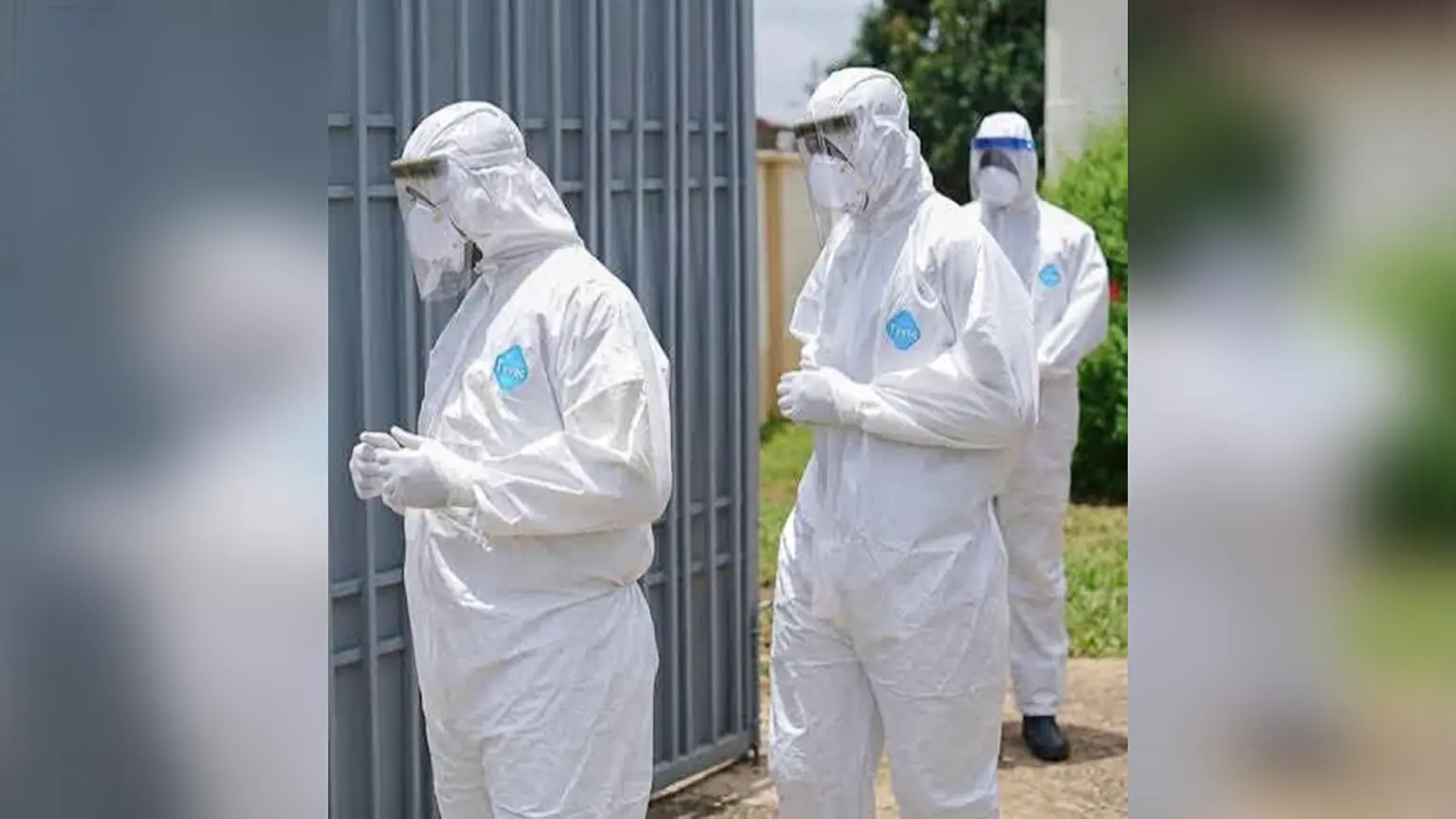
As countries commemorate the 2026 World Neglected Tropical Diseases (NTDs) Day, Nigeria’s fight against the diseases is at a critical juncture, with drug shortages, funding gaps, insecurity, and regulatory bottlenecks threatening decades of progress.
Despite notable achievements including the eradication of Guinea worm and significant reductions in trachoma and lymphatic filariasis experts warn that fragile health systems, dwindling donor support, and restrictive import policies could derail the country’s 2030 elimination targets.
Over 100 Million Nigerians Still at Risk
According to the World Health Organization (WHO), Nigeria accounts for 25 per cent of the global NTD burden and 50 per cent of Africa’s burden. Of the 21 NTDs recognised globally, 15 are endemic in Nigeria, with all 36 states and the Federal Capital Territory affected by at least one disease.
Official data indicate that 771 out of 774 local government areas are endemic, leaving more than 100 million Nigerians at risk.
NTDs a group of communicable and non-communicable diseases — disproportionately affect poor rural and underserved urban communities lacking safe water, sanitation, and access to quality healthcare. Poverty remains the major driver of the diseases.
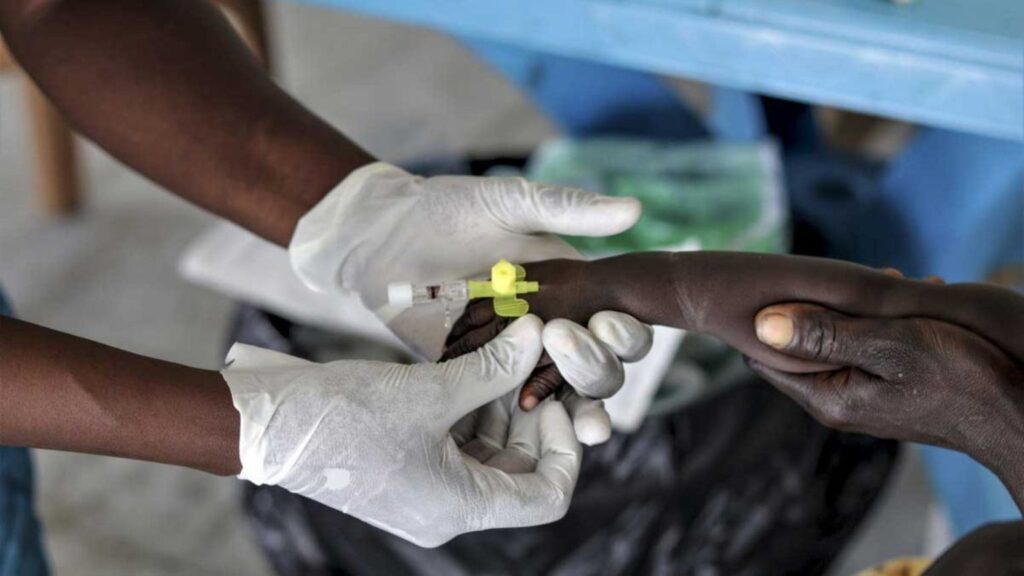
Common NTDs in Nigeria include lymphatic filariasis (elephantiasis), onchocerciasis (river blindness), schistosomiasis (bilharzia), soil-transmitted helminths, and trachoma. These are largely managed through mass administration of donated medicines.
While Guinea worm has been eliminated, yaws previously eradicated in 1945 has resurfaced.
Medicine Import Restrictions Create Artificial Shortages
Although pharmaceutical companies donate life-saving medicines free of charge, regulatory restrictions are hampering access.
Some key drugs used to treat intestinal worms including Mebendazole, Albendazole, and Praziquantel are listed on the import prohibition “Ceiling List” issued in 2021 by the National Agency for Food and Drug Administration and Control (NAFDAC). The policy aims to encourage local pharmaceutical production.
However, health officials argue that there are no budgetary provisions for local procurement, making the restriction a major obstacle to programme implementation.
Dr Fatai Oyediran, National Coordinator for NTDs at the Federal Ministry of Health and Social Welfare, said although drug manufacturers donate large quantities of NTD medicines, delays in import permits are disrupting supply.
He revealed that the ministry is seeking a three-year moratorium to allow continued importation of donated medicines until 2030, while transitioning gradually to local production.
Donor Exits, Insecurity Slow Field Operations
Beyond drug supply challenges, insecurity and declining international funding are slowing progress.
Some development partners, including Research Triangle International, have exited Nigeria following U.S. funding cuts.
Meanwhile, insecurity has hampered field assessments and surveillance in several states.
For instance, assessments required to determine whether to stop long-term treatment for lymphatic filariasis in parts of Zamfara State have been stalled for four years due to security concerns.
Similarly, in Imo State, completion of key NTD assessments was delayed for over five years.
Chairperson of the International Federation of Anti-Leprosy Associations and National Director of The Leprosy Mission Nigeria, Dr Sunday Udo, emphasised that beyond mass drug administration campaigns, Nigeria still faces a significant burden of case-managed NTDs such as leprosy, Buruli ulcer, and other skin conditions.
He stressed that elimination requires early diagnosis, stigma reduction, and strong routine health services not just periodic campaigns.
Udo called for:
Dedicated NTD budget lines at federal and state levels
Integration of NTD services into Primary Health Care
Strengthened laboratory and referral systems
Improved surveillance and rapid response to hotspots
Simplified and more reliable drug supply systems
He warned that delays in the supply of leprosy multi-drug therapy in 2024, caused by bureaucratic bottlenecks, disrupted treatment and could recur.
Progress Made, But 2030 Targets at Risk
Despite the setbacks, Nigeria has recorded measurable progress.
More than 30 million Nigerians have been removed from treatment programmes out of an initial 91 million treated nationwide.
About 434 of 583 endemic local government areas have interrupted transmission of lymphatic filariasis.
Trachoma cases have dropped significantly, with campaigns reduced from over 129 LGAs to fewer than 20 in highly endemic states.
Officials also report an 84 per cent reduction in trachoma prevalence nationwide.
However, experts caution that without sustained domestic funding, improved medicine access, enhanced water and sanitation services, and stronger political commitment, Nigeria risks reversing hard-won gains.
As stakeholders mark World NTD Day recognised by the World Health Assembly in 2021 there are renewed calls for a “whole-of-government, whole-of-society” approach to eliminate the diseases.
Health advocates stress that defeating NTDs is inseparable from the broader fight against poverty and inequality, warning that until the diseases are eliminated, millions of vulnerable Nigerians will remain trapped in preventable disability and economic hardship.