Commission Documents 700,000 Out-of-School Children in Nigeria as States Intensify Education Recovery Efforts
By Titilope Johnson
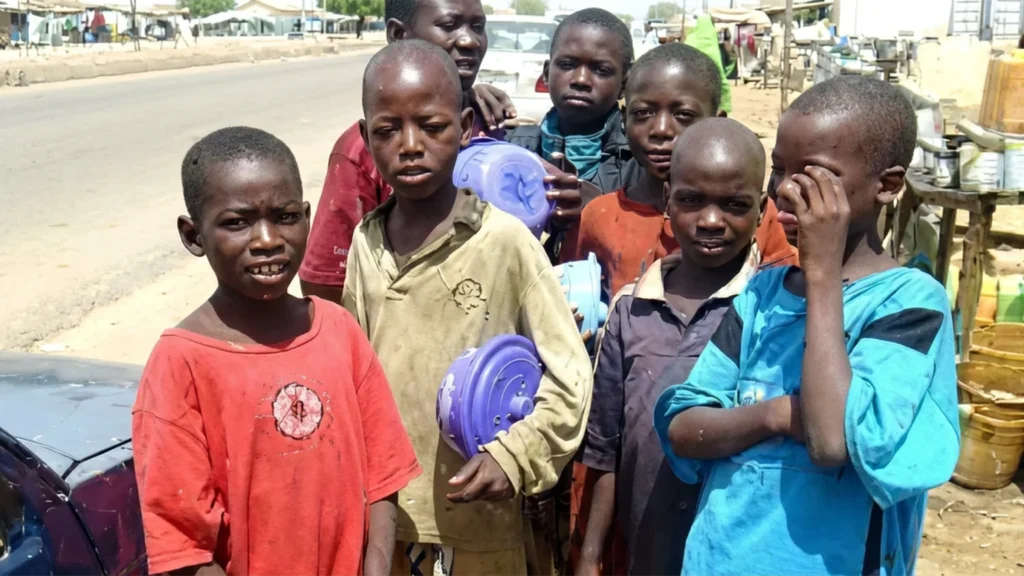
The National Commission for Almajiri and Out-of-School Children Education (NCAOOSCE) has revealed that it has documented approximately 700,000 out-of-school children across Nigeria, highlighting the scale of the country’s education crisis and the urgent need for coordinated intervention.
Executive Secretary of the Commission, Dr Muhammad Idris, disclosed this during the maiden Benue Basic Education Summit held in Makurdi. The summit was organised by the Benue State Universal Basic Education Board (SUBEB) in collaboration with the Universal Basic Education Commission (UBEC), NCAOOSCE, and Universal Learning Solutions (ULS).
Idris explained that the documentation exercise forms part of national efforts to identify affected children and reintegrate them into the formal education system.
As part of measures to tackle the challenge, Benue State Governor, Rev. Fr. Hyacinth Alia, launched the “Brace Up Project” and inaugurated student marshals across all local government areas to help identify and monitor out-of-school children within their communities.
Governor Alia reaffirmed his administration’s commitment to providing free and compulsory basic education, stressing that every child has a fundamental right to education.
He noted that ensuring access to education remains a key priority of his government, adding that no child should be denied learning opportunities due to social or economic barriers.
Executive Secretary of UBEC, Hajiya Aisha Garba, commended Benue State for its reforms and proactive steps aimed at strengthening basic education and improving enrollment rates.
Oyo Returns 65,000 Children to Classrooms Through Education Intervention Programme
Meanwhile, Oyo State Governor, Seyi Makinde, announced that about 65,000 out-of-school children have been successfully returned to classrooms through targeted education intervention programmes.
Makinde made this known while receiving a delegation from the World Bank and UBEC on an implementation support mission for the Better Education Service Delivery for Additional Financing (BESDA-AF) programme at the State Secretariat in Ibadan.
He said the programme has significantly improved education delivery in the state by providing structural and financial support to strengthen schools and increase access.
The governor expressed appreciation to the World Bank and UBEC for their continued partnership and pledged his administration’s commitment to fully utilise available funding to further improve education outcomes.
The National Programme Coordinator for UBEC, Mayowa Aleshin, said the implementation support team would assess progress, identify challenges, and recommend additional strategies to enhance the effectiveness of the BESDA-AF programme.
Similarly, World Bank team lead, Shinsaku Nomura, praised Oyo State’s efforts to reform the education sector and expand access to quality education.
The documentation of 700,000 out-of-school children underscores the urgency of sustained national and state-level interventions, as stakeholders intensify efforts to ensure that every Nigerian child has access to basic education.