Senate Approves Tinubu’s $21.8B Loan Plan, ₦758B Pension Bond Amid Debt Concerns
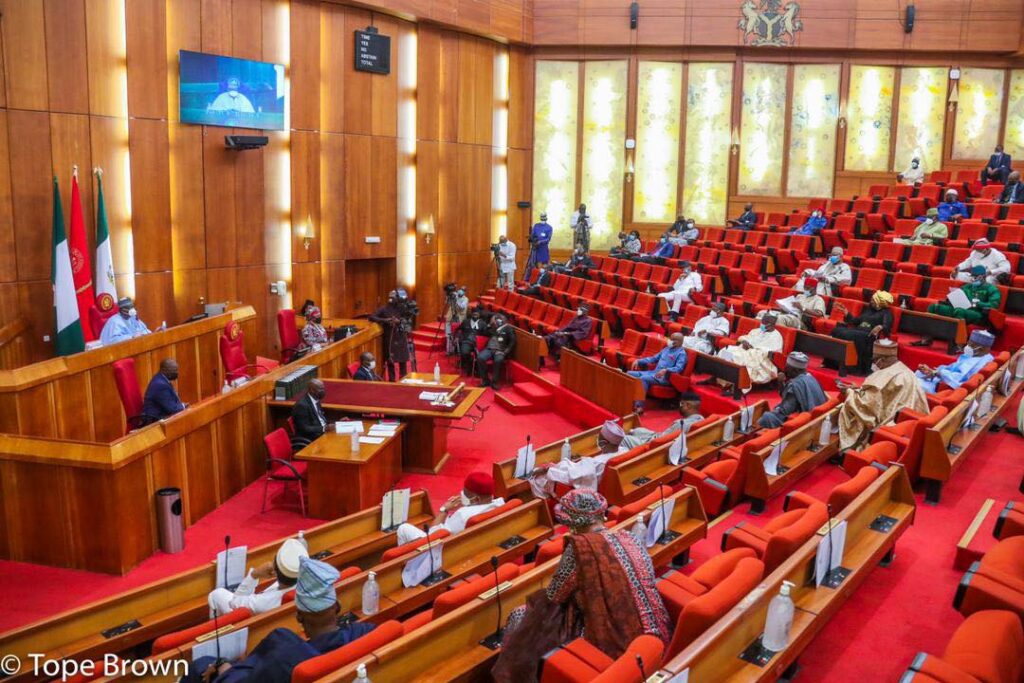
The Nigerian Senate has approved President Bola Tinubu’s 2025–2026 External Borrowing Plan, which includes:
- $21.8 billion
- €2.1 billion
- ¥15 billion
- A €65 million grant
The loans are intended to fund critical projects in infrastructure, health, education, water supply, and other strategic sectors.
Additionally, the Senate approved the issuance of a ₦757.98 billion Federal Government bond to clear outstanding pension liabilities under the Contributory Pension Scheme (CPS).
Debate on the borrowing plan was heated. Opposition senator Abdul Ningi (PDP, Bauchi Central) warned:
“Generations after us will continue to pay these loans. I’ve gone through the documents and cannot find a clear repayment plan.”
Nigeria’s public debt stock now exceeds ₦121 trillion, with external debt above $43 billion as of mid-2024. Debt servicing reportedly consumes over 90% of federal revenue, sparking concerns from economists and civil society.
However, proponents, including Adetokunbo Abiru and Finance Committee Chair Sani Musa, argued the loans are structured for growth, calling them “strategic investments” for job creation and foreign exchange inflows.
The Senate also approved Tinubu’s plan to raise about $2 billion through a Foreign Currency-Denominated Local Issuance Programme, backed by Executive Order No. 16 (2023). This initiative aims to source dollar liquidity locally without adding pressure on foreign reserves.
The ₦757.98 billion bond issuance is aimed at settling longstanding pension arrears, bringing long-awaited relief to thousands of retirees. The Debt Management Office (DMO) will float the bonds locally to limit exposure to foreign risks.
Meanwhile, the Senate will hold a special session today in honour of former President Muhammadu Buhari, who recently passed away.
Senate President Godswill Akpabio dismissed viral reports that the Constitution Review Committee had approved new states, clarifying that over 42 proposals are under consideration but none has been approved.
“Communities should disregard misinformation and await official communication from the National Assembly,” Akpabio said.