Nigeria Loses $3 Billion Annually as 90% of Ankara Fabrics Are Imported – Report
By: Titilope Johnson
A new report has revealed that Nigeria is losing billions of dollars annually due to the heavy reliance on imported Ankara fabrics, a cultural staple central to the nation’s fashion identity.
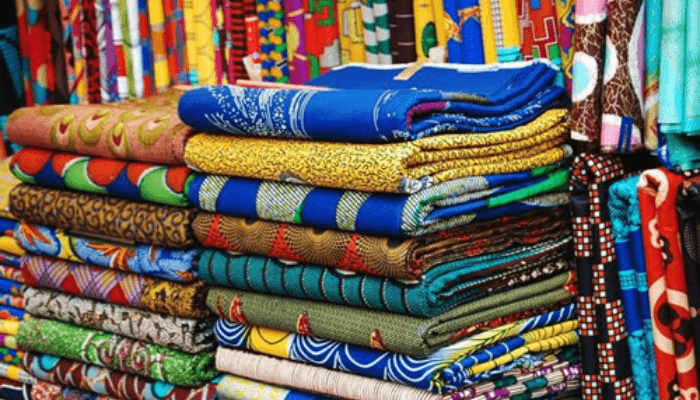
According to the report by Consonance Investment, titled “Who is Dressing 220+ Million Nigerians?”, nearly 90% of Ankara fabrics consumed in Nigeria are imported, mainly from China and India. This dependency drains the local economy of an estimated $3 billion in potential value each year.
Ankara, often used for Aso-Ebi—a Yoruba term meaning “family cloth” worn during weddings, funerals, and other social events—has become synonymous with Nigerian fashion. Yet, less than 15% of the clothing supply is provided by local fashion brands and textile manufacturers.
“Over 85% of fashion supply bypasses formal local industry channels,” the report states. “Most local brands must build their own infrastructure from design to distribution, due to lack of investment and weak domestic retail frameworks.”
Despite strong cultural demand, the Nigerian fashion industry remains fragmented, underfunded, and foreign-dependent. Consumers spend between $2.5 billion and $6 billion annually on clothing, yet the sector contributes only $129 million (₦205 billion)—or 0.47%—to the nation’s GDP.
The report also highlighted:
- $6 billion worth of textile and apparel imports annually, with an additional $1.2 billion in smuggled goods
- Exports remaining below $100 million
- Retail dominated by informal markets such as Balogun (Lagos), Onitsha (Anambra), and Wuse (Abuja), accounting for around 60% of fashion retail
- At least 10,000 Nigerian fashion vendors operate on Instagram, fueling a massive informal e-commerce ecosystem
- 25,000+ workers directly employed in Aba’s garment and leather clusters
Furthermore, less than 15% of Nigeria’s fashion market receives structured capital from banks or government agencies. Most fashion entrepreneurs rely on personal savings or informal funding to operate.
The report underscores the urgent need for investment in local textile manufacturing, retail infrastructure, and supply chain development to retain economic value and foster industry growth.






https://shorturl.fm/9fnIC