2026 World Cup Faces Uncertainty Amid Trump’s Immigration and Trade Policies
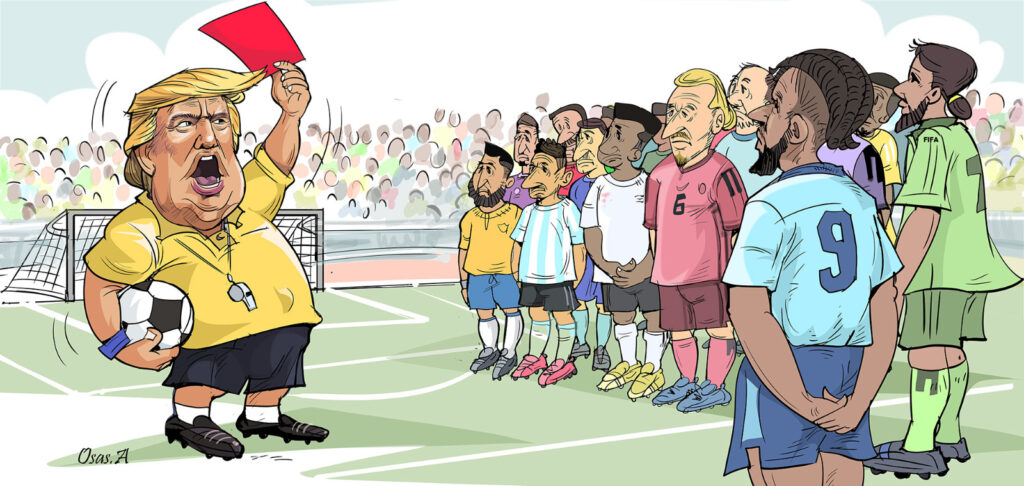
For nearly a century, the FIFA World Cup has symbolized global unity, cultural exchange, and shared passion for football. However, the 2026 edition—co-hosted by the United States, Canada, and Mexico—faces unprecedented uncertainty. Concerns are mounting that President Donald Trump’s “America First” immigration and trade policies could undermine the tournament’s inclusivity, dampen fan participation, and cost the U.S. tourism sector an estimated $64 billion by the end of 2025.
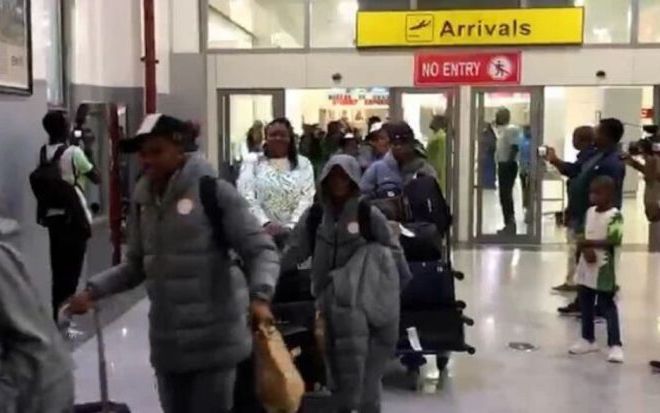
The World Cup, scheduled to expand to 48 teams next year, traditionally guarantees ease of access for athletes, officials, and fans through visa waivers and simplified entry protocols. Past hosts like Russia (2018) and Qatar (2022) offered game-ticket-based entry and hospitality accommodations to meet FIFA requirements. In contrast, Trump’s reinstated travel bans and strict visa controls have sparked fears of restricted entry for fans and even accredited personnel.
Tourism analysts warn that the U.S. hospitality sector, already hit by falling foreign arrivals and spending, faces further decline. According to AFP, international arrivals are projected to drop by 5.1%, with spending expected to fall by nearly 11% this year, threatening ancillary sectors like hotels, transportation, and retail.
Although FIFA dismissed speculation about relocating the tournament, civil society groups and human rights organizations argue that the U.S.’s restrictive policies clash with FIFA’s human rights commitments. Over 90 advocacy groups have urged FIFA to pressure Washington to revise its stance, warning that discriminatory policies could tarnish the event’s global image.
Despite reassurances from U.S. Homeland Security Secretary Kristi Noem that visitors will “enjoy a smooth experience,” skeptics remain unconvinced. Analysts fear that Trump’s immigration rules, combined with tense U.S. trade relations and geopolitical friction, could lead to lower attendance, strained logistics, and a diluted fan experience.
Experts also warn of broader consequences: reduced sponsorship appeal, renegotiated advertising deals, and lower global broadcast engagement. Some suggest FIFA might schedule certain matches outside the U.S. to accommodate teams whose supporters face travel restrictions—a move that could complicate logistics further.
While optimists believe FIFA and Washington will resolve outstanding issues, the clock is ticking. As former Super Eagles official Larry Izamoje cautions: “A World Cup that excludes fans undermines the values of unity and inclusivity FIFA preaches.”