Politics Overshadows Governance as NASS Records Low Sitting Days in 2026
By Titilope Johnson
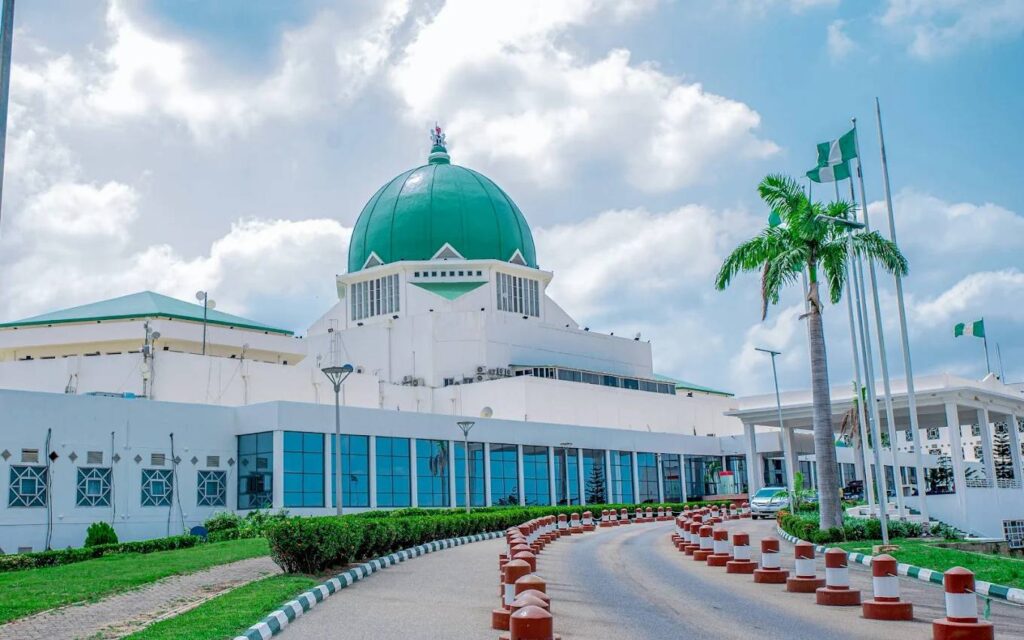
Nigeria’s National Assembly resumed plenary after the Easter break, following a pattern of frequent recesses and adjournments that limited sittings to just 17 days in the first quarter of 2026.
Data from the Policy and Legal Advocacy Centre (PLAC) shows that since June 2023, lawmakers have spent more days on recess than in session, raising concerns about productivity and accountability. In 2026 alone, the Assembly must sit for at least 181 days but has so far fallen far short, with only 17 days recorded by the end of March.
The tight political calendar ahead of the 2027 general elections is expected to further disrupt legislative work, as many lawmakers focus on party primaries and campaigns.
Civil society groups, including CISLAC and CHRICED, have criticised the trend, describing it as legislative absenteeism that weakens governance and public trust.
However, the House of Representatives defended the recesses, stating that lawmakers remain active through committee work and oversight duties even when plenary is suspended.
Analysts warn that continued low sitting days could delay key reforms and deepen concerns about accountability in governance.