El-Rufai’s Family Denies ICPC Wiretapping Allegations, Insists on Right to Silence
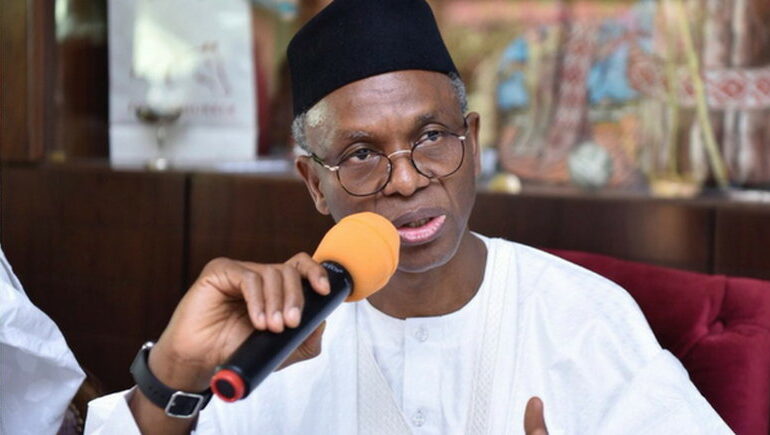
The family of former Kaduna State Governor, Nasir el-Rufai, has rejected allegations by the Independent Corrupt Practices and Other Related Offences Commission (ICPC) that wiretapping equipment and secret documents were recovered from his Abuja residence.
In a statement issued on behalf of the family, Muhammed Bello el-Rufai, member of the House of Representatives representing Kaduna North Federal Constituency, described the commission’s claims as false and politically motivated.
He accused the ICPC of engaging in a “media war” rather than adhering to due process, insisting that the allegations were part of an orchestrated smear campaign.
El-Rufai’s wife, Hadiza Isma, also dismissed the claims in a post on X, stating that no such equipment was found during the search.
The ICPC had earlier claimed that suspected surveillance devices capable of intercepting confidential communications and accessing classified materials were recovered during a raid on the former governor’s home.
Family Cites Constitutional Right to Silence
The family argued that el-Rufai is exercising his constitutional right to remain silent and cannot be compelled to cooperate during the investigation until formally charged in court.
According to Muhammed Bello el-Rufai, the ICPC’s suggestion that silence amounts to non-cooperation reflects a misunderstanding of Nigerian law.
He stated that the Constitution guarantees every citizen the right to remain silent and that no negative inference should be drawn from exercising that right.
“Our father has consistently maintained: ‘Charge me, if you have anything against me. You have had more than two years investigating me. Take it to court,’” the statement said.
The family further described the commission’s list of allegedly seized equipment as fictitious, insisting that the truth would emerge during judicial proceedings.
Meanwhile, the ICPC told the Federal Capital Territory (FCT) High Court in Abuja that el-Rufai’s detention was necessary to conclude investigations into alleged corruption during his tenure from 2015 to 2023.
The former governor has filed a suit challenging his arrest and detention, claiming that they violated his fundamental rights. He is seeking a declaration that the actions of the anti-graft agency were unlawful, as well as N1 billion in damages.
In an affidavit filed before the court, el-Rufai confirmed his identity and public service history but declined to answer specific allegations, again citing his constitutional right to silence. He described the investigation as politically motivated and stated that he would respond fully in court.
The ICPC disclosed that it received a petition accusing el-Rufai and some officials of his administration of financial misconduct. The allegations reportedly involve loans obtained by the Kaduna State government, procurement procedures, transfers from government accounts, and payments to companies and individuals.
According to the commission, preliminary investigations were launched, and relevant documents were obtained from banks and government institutions.
The agency said it issued an invitation letter dated February 9, which could not initially be served because el-Rufai was reportedly outside Nigeria. He was eventually served on February 12 after returning to the country.
The dispute highlights growing tensions between political figures and anti-corruption agencies, as legal and procedural battles increasingly play out both in courtrooms and in the public arena.
With the matter now before the FCT High Court, attention will shift to judicial proceedings to determine the legality of the arrest, detention, and the broader allegations against the former governor.





