A Better Nigeria Can Emerge in 2027 If We All Deliberately Pursue It – Onaiyekan
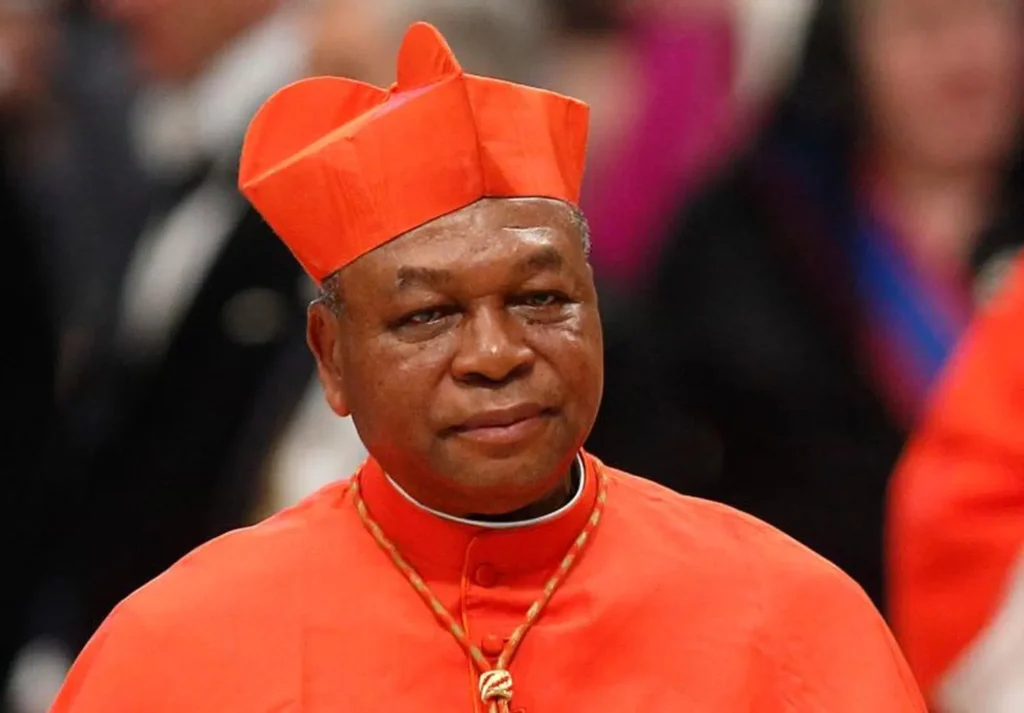
The Catholic Archbishop Emeritus of Abuja, John Onaiyekan, has expressed deep concern over worsening poverty, insecurity and corruption in Nigeria, warning that the country’s future depends on deliberate and collective action ahead of the 2027 general elections.
Speaking in an interview, Onaiyekan said while some individuals in positions of power appear to be thriving under the current administration, the majority of Nigerians are grappling with severe economic hardship. According to him, government assurances that the country is experiencing “growing pains” leading to a better future have done little to ease public suffering.
He urged the administration to urgently review and adjust its key policies, noting that prolonged hardship could cause long-term damage, particularly among youths who are increasingly seeking opportunities abroad.
Reacting to claims by the Minister of Information that President Bola Tinubu has outperformed past leaders, Onaiyekan strongly disagreed. He described such statements as unhelpful, stressing that the President needs honest feedback rather than excessive praise.
On corruption, the cleric said successive governments have failed to demonstrate genuine political will to tackle the problem. He warned that selective justice undermines credibility and allows impunity to thrive, adding that systemic fraud discourages investment and stifles development.
Addressing the multi-trillion-naira fuel subsidy controversy involving the Nigerian National Petroleum Company Limited, he questioned why those responsible for alleged fraud have not been publicly identified and held accountable. He argued that subsidy removal should have been properly managed and transparently addressed before its implementation.
On the political climate ahead of 2027, Onaiyekan said public sentiment appears to have shifted against the ruling party but noted that the absence of a credible alternative remains a challenge. He emphasised the need for an electoral body that is truly independent, impartial and competent to guarantee free and fair elections.
Commenting on the wave of defections to the ruling party, he described them as largely driven by personal interests rather than public good. Instead of mere political coalitions, he called for a genuinely new movement built on service, integrity and a people-oriented manifesto.
The cleric maintained that Nigerians are ready for a political alternative rooted in development, equity and transparency, but the system has often denied them the opportunity to freely choose their leaders.
Assessing the President’s chances of securing a second term, Onaiyekan said the determining factor would be whether living standards improve before 2027. He advised the President to seek independent feedback on citizens’ realities, tackle insecurity decisively, improve economic conditions and directly support the poor and vulnerable.
On security, he described the persistent violence across the country as a national crisis rather than a religious conflict. He insisted that government must fulfil its primary responsibility of protecting lives and property, warning that no meaningful development can occur without safety.
Finally, he charged the media to serve as a force for truth, unity and accountability, emphasising that a better Nigeria is still possible by 2027 — but only if it is intentionally pursued by citizens and leaders alike.





