Senate Defends Discretionary E-Transmission in Electoral Bill as Igini Warns Lawmakers of 2027 Fallout
By Titilope Johnson
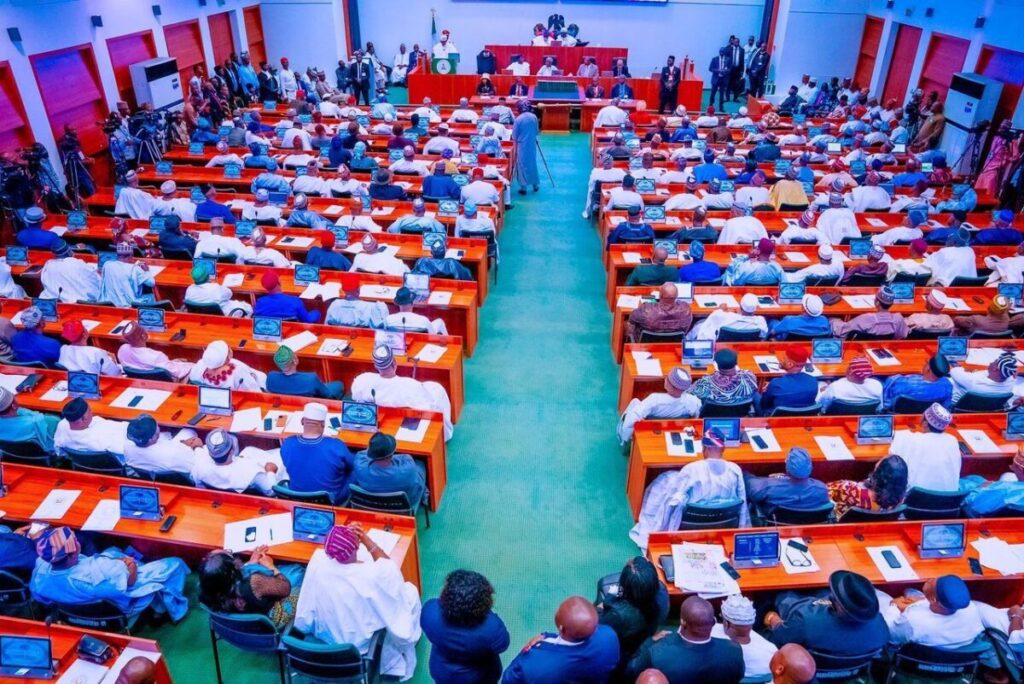
The Senate has justified its decision to make electronic transmission of election results discretionary rather than mandatory in the proposed Electoral Bill 2026, saying the move was informed by empirical data and the realities of Nigeria’s power and communications infrastructure.
The upper chamber disclosed that statistics on broadband penetration and electricity supply constraints guided its stance. The position comes amid public debate over amendments to Clause 60(3) of the bill.
However, former Resident Electoral Commissioner, Mike Igini, has cautioned lawmakers in the 10th National Assembly to support mandatory real-time electronic transmission of polling unit results or risk electoral defeat in 2027.
Igini warned that only a few senators may return to the National Assembly after the next general election if provisions allowing the use of incident forms and discretionary e-transmission are retained in the amendment to the 2022 Electoral Act. He argued that weakening safeguards around result transmission could expose the process to manipulation.
Explaining the Senate’s position, Senate Leader Opeyemi Bamidele said the amendment followed extensive consultations and analysis of official data, rather than political pressure or sentiment.
Originally, Clause 60(3) required that presiding officers “shall electronically transmit the results from each polling unit to the INEC Result Viewing Portal (IReV) in real time.” The Senate, however, resolved to introduce a proviso allowing Form EC8A to serve as the primary means of collation where internet connectivity fails.
In a statement issued by his Directorate of Media and Public Affairs, Bamidele maintained that while electronic transmission is progressive and desirable, lawmakers must consider infrastructural limitations before making it compulsory.
Citing figures from the Nigerian Communications Commission, he said Nigeria recorded about 70 per cent broadband coverage in 2025, while internet penetration stood at 44.53 per cent of the population.
Reacting, Igini urged the Senate to remove the newly introduced proviso and restore the original, unqualified requirement for real-time transmission of results to the IReV. He warned that legislators who dilute transparency measures could be “engineering their own political downfall.”
According to him, previous National Assemblies ignored vulnerabilities in the electoral system, particularly around result transmission, and many lawmakers later became victims of the same loopholes they failed to close.
He added that the absence of mandatory real-time electronic transmission creates opportunities for result alteration at ward and local government collation centres, undermining public confidence and electoral integrity.





