NNPP Condemns U.S. Bill Proposing Visa Ban, Asset Freeze on Kwankwaso
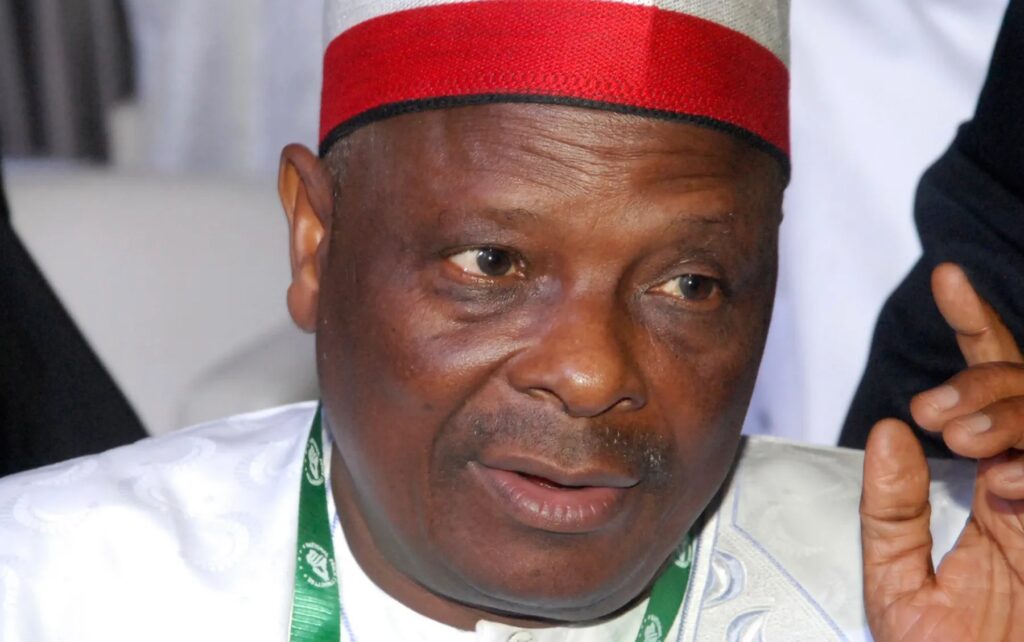
The New Nigeria Peoples Party (NNPP) has criticised a proposed United States bill seeking to impose sanctions, including a visa ban and asset freeze, on its national leader and former Kano State governor, Rabiu Kwankwaso, describing the move as unjust and politically motivated.
Speaking on Channels Television’s Sunrise Daily, NNPP Campaign Secretary, Folashade Aliu, said the bill unfairly singles out one individual in a country of over 260 million people, raising concerns about the intent behind the legislation.
Aliu questioned the rationale for targeting a single person in a matter as sensitive as religion and terrorism, insisting there is no evidence linking Kwankwaso to any extremist group. She argued that if credible proof existed, it should be made public rather than relying on allegations.
According to her, focusing legislative action on one individual undermines the credibility of the bill and suggests malice. She added that Nigeria has many leaders capable of addressing national security and religious concerns without scapegoating one figure.
The proposed legislation, titled the Nigeria Religious Freedom and Accountability Act of 2026, was introduced in the United States House of Representatives by lawmakers including Riley Moore and Chris Smith. It calls for sanctions against individuals and entities accused of severe religious freedom violations in Nigeria.
Those listed include Kwankwaso, the Miyetti Allah Cattle Breeders Association of Nigeria, Miyetti Allah Kautal Hore, and groups described as Fulani-ethnic nomadic militias.
The bill seeks to compel the U.S. Departments of State and Treasury to impose sanctions if it becomes law and urges Washington to apply diplomatic and economic pressure on Nigeria to address religious persecution.
Reacting separately, the Kwankwasiyya Movement rejected the inclusion of its leader’s name, calling it unfounded and demanding its immediate removal. The movement argued that policies such as the implementation of Sharia law during Kwankwaso’s tenure were constitutional developments adopted by several northern states and not attributable to one individual.
The NNPP and its supporters maintain that the bill lacks credible evidence and risks politicising sensitive international and religious issues.





