Transport Ministry Receives Only 1% of 2025 Capital Budget, Rolls Over 70% of Projects
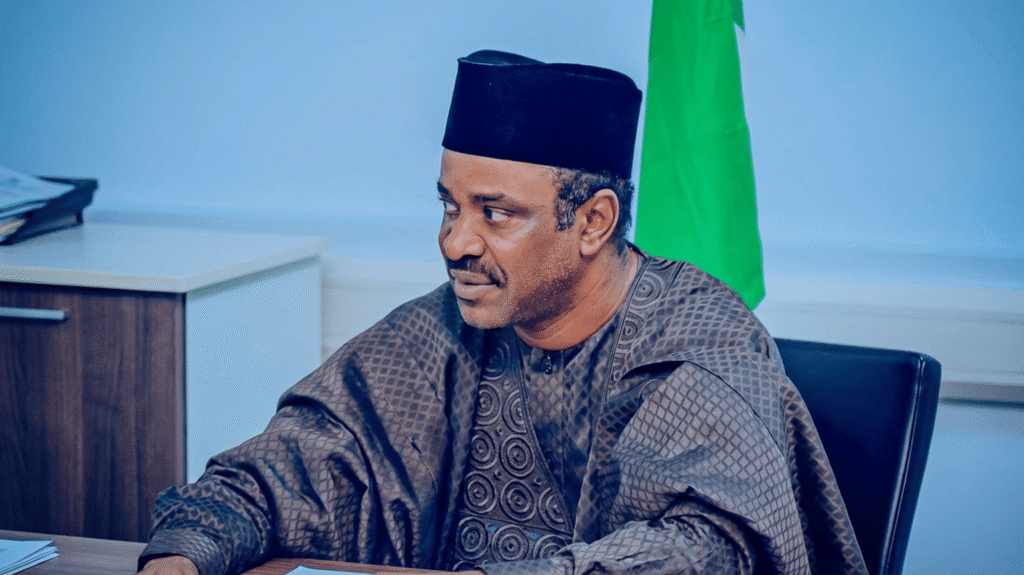
The Federal Ministry of Transportation received just one per cent of the N256.73 billion allocated to it for capital expenditure in the 2025 Appropriation Act.
Minister of Transportation, Senator Said Alkali, disclosed this during the ministry’s budget presentation before the Joint Senate and House Committee on Land Transport in Abuja. He explained that about 70 per cent of 2025 projects were rolled over into the 2026 budget due to funding constraints and delayed cash backing.
Alkali said the rolled-over projects were aligned with President Bola Tinubu’s Renewed Hope Agenda, focusing on completing ongoing initiatives, protecting public investments, and sustaining momentum in the land transport sector.
Key projects include the National Land Transport Policy 2025, the De-Sadel Nigeria Limited integrated high-speed rail, power, and natural gas project, and strategic interventions such as modern bus terminals, railway expansion, and port connectivity under the Nigerian Railway Modernisation Programme.
He noted that while overhead expenditure in 2025 reached 59 per cent, capital releases were largely unbacked by cash, limiting implementation.
Meanwhile, Minister of Budget and Economic Planning, Senator Abubakar Bagudu, clarified that the Federal Government’s proposed sale of some public assets was intended to unlock value from underperforming investments, not to fund the budget deficit. Minister of Finance Wale Edun added that asset sales aimed to attract private investment, boost productivity, and strengthen Nigeria’s macroeconomic stability.
The House of Representatives, however, criticized the proposed N15.88 billion allocation to the Auditor-General of the Federation (OAuGF) in the 2026 budget, calling it inadequate for auditing over 1,000 Ministries, Departments, Agencies, and government-funded bodies.
Committee Chairman Bamidele Salam warned that such meagre funding undermines anti-corruption efforts and demanded a substantial increase in resources for effective oversight.
“The scale of responsibility placed on the Auditor-General far outweighs the funds provided. Effective scrutiny of public finances is impossible under such constraints,” Salam said.
The Transport Ministry emphasized that despite challenges, ongoing reforms and public-private partnerships aim to drive development, create jobs, and ensure sustainable growth in the sector.





