12 States Align Tax Laws with Federal Reforms as NEC Pushes Investment in Human Capital
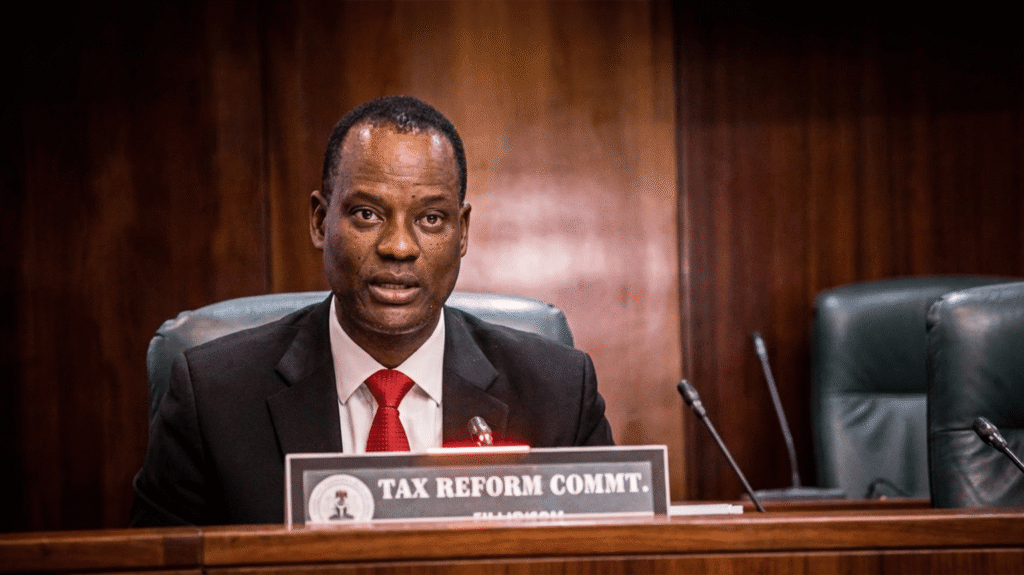
Twelve states of the federation have so far adopted and harmonised the new tax laws with their respective state tax frameworks, as efforts intensify to streamline taxation and boost economic efficiency across the country.
Chairman of the Presidential Committee on Fiscal Policy and Tax Reforms, Taiwo Oyedele, disclosed this during his presentation at the National Economic Council (NEC) Conference held in Abuja.
This development came as the NEC urged governments at all levels to prioritise increased investment in human capital development, infrastructure, and accountability in order to strengthen public trust and drive sustainable growth.
Oyedele revealed that, in addition to the 12 states that have already aligned their tax laws, 13 states currently have the proposed laws before their Houses of Assembly, while 11 others are at the final stages of presenting the bills to their state legislatures.
He stressed the importance of harmonisation to eliminate multiple taxation and create a more predictable and business-friendly tax environment.
Oyedele also advised state governors to grant full autonomy to their internal revenue services, warning against the continued use of tax consultants for routine tax collection.
“Let us stop using consultants to collect taxes. It undermines our ability to do what is right,” he said. “The new tax law clearly states that consultants should not be engaged for routine functions of tax authorities, and the autonomy of these agencies must be guaranteed.”
He further disclosed plans by the Federal Government to introduce a tax amnesty programme as part of the broader reforms.
Addressing NEC members—comprising all state governors and chaired by the Vice President—Oyedele explained that the proposed voluntary disclosure programme would allow taxpayers to regularise past non-compliance without punitive measures.
“If we do not clean the past, we cannot be sure of compliance going forward. This tax amnesty programme will help people come clean with their past tax obligations,” he said, urging states to support the initiative.
In a communiqué issued at the end of the conference, the NEC emphasised the need to restructure and realign economic policies to promote inclusivity, equity and social cohesion, with a strong focus on improving living standards and outcomes in human capital development (HCD).
The council urged state governments to increase per capita spending on health, education and youth employment, noting that Nigeria’s persistent underinvestment in education and healthcare, compared to peer countries, remains a major challenge.
The communiqué also called for increased investment in social sectors such as education, health and nutrition, as well as policies to support domestic production and make the economy more productive, competitive and export-oriented.
NEC further highlighted Nigeria’s unique federal structure, which distributes responsibilities across local, state and federal governments, and called for stronger collaboration among the tiers of government.
It also urged both federal and state governments to deepen partnerships with the private sector, civil society organisations and development partners to achieve inclusive and sustainable national development.