Senate Approves E-Transmission of Election Results, Keeps Manual Backup as Safeguard
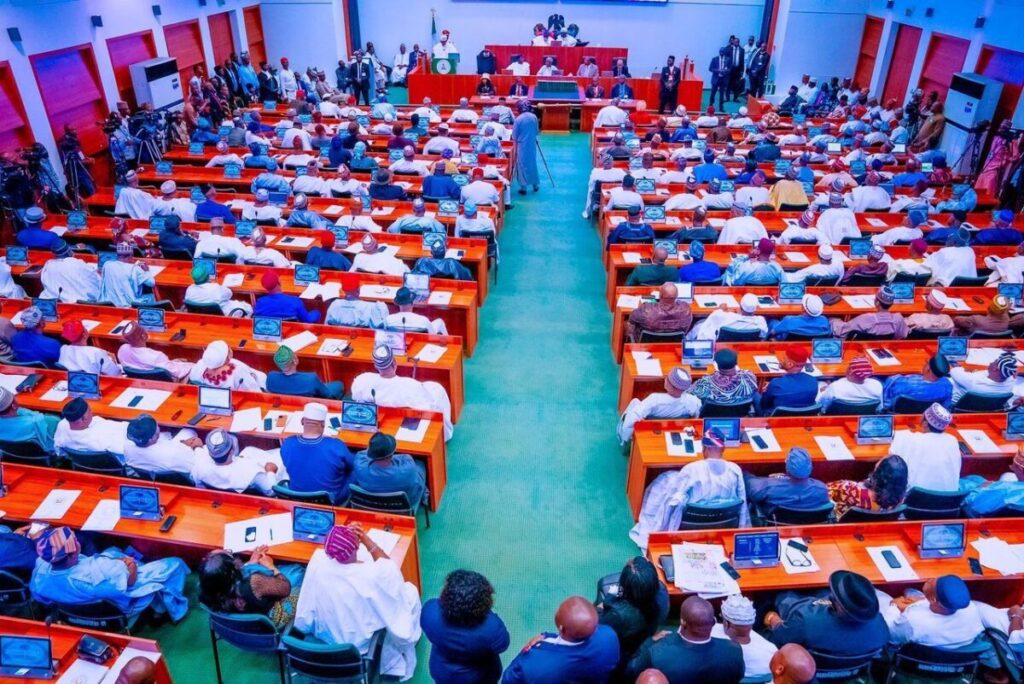
The Nigerian Senate has amended the Electoral Act to allow the electronic transmission of election results, while retaining the traditional Form EC8A as a backup in case of technical failures.
The decision marks a reversal of the Senate’s earlier stance, which had rejected compulsory electronic transmission of results from polling units to the Independent National Electoral Commission’s (INEC) Result Viewing Portal (IREV). Under the new amendment, electronic transmission will serve as the primary method of uploading results, but manual submission via Form EC8A—signed and stamped by the presiding officer—remains mandatory where internet connectivity fails.
The motion sparked debate on the floor, particularly regarding reliance on Form EC8A as the official source in disputed elections.
Senator Enyinnaya Abaribe initially called for an individual vote to clarify lawmakers’ positions but withdrew the request shortly afterward. The amended framework was subsequently approved by the Senate.
Conference Committee to Harmonise Bill
The Senate also established a 12-member conference committee to reconcile differences between its version of the Electoral Act (Amendment) Bill and that of the House of Representatives. Senate President Godswill Akpabio announced the panel, expressing hope that the harmonisation process would conclude quickly and that President Bola Tinubu would assent to the bill within February.
The committee members include Senators Simon Bako Lalong (Chairman), Mohammed Tahir Monguno, Orji Uzor Kalu, Adamu Aliero, Abba Moro, Asuquo Ekpenyong, Aminu Iya Abbas, Tokunbo Abiru, Niyi Adegbonmire (SAN), Jibrin Isah, Ipalibo Banigo, and Onyekachi Nwebonyi.
Contentious Clause Sparks Public Outcry
The Senate’s emergency session followed public outrage over Clause 60(3) of the Electoral Act, which outlines the process for electronic transmission. Last week, the Senate removed the requirement for real-time electronic transmission, allowing INEC discretion in result submission.
The move prompted nationwide protests, including the Occupy National Assembly demonstration in Abuja, with civil society groups and political figures like Peter Obi and Rotimi Amaechi advocating for mandatory real-time electronic transmission to ensure election transparency.