RMAFC Moves to End Oil Well Disputes in Niger Delta
By Titilope Johnson
The Revenue Mobilisation Allocation and Fiscal Commission (RMAFC) has commenced activities aimed at verifying and plotting the coordinates of disputed oil and gas wells across oil-producing states in the Niger Delta.
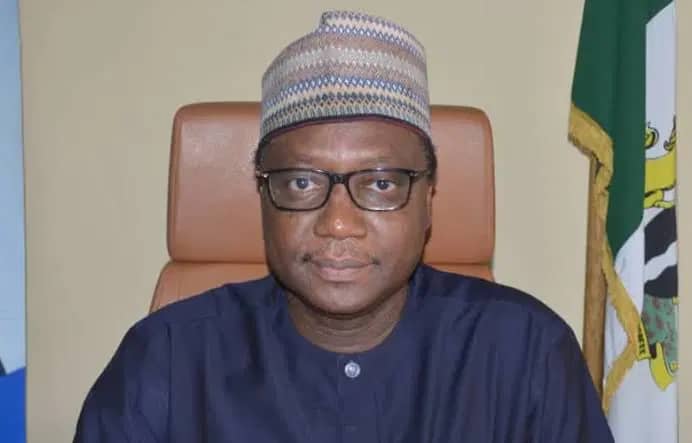
The initiative is expected to address long-standing boundary and ownership disputes among affected communities. Speaking at the unveiling of the exercise, the Chairman of the Commission, Dr Mohammed Shehu, said the exercise, which began on Monday and will run until Friday, is being implemented through the Inter-Agency Technical Committee (IATC).
The committee comprises representatives of RMAFC, the Nigerian Upstream Petroleum Regulatory Commission (NUPRC), the Office of the Surveyor-General of the Federation (OSGOF), and the National Boundary Commission (NBC). It is tasked with verifying and plotting the precise coordinates of oil and gas wells to ensure accuracy, transparency, and fairness in revenue attribution.Shehu explained that the exercise followed petitions submitted last year by affected states over disputed oil and gas wells.
According to him, the Commission had pledged to accurately determine the locations of crude oil and gas fields and wells within disputed and newly drilled areas.
While flagging off the coordinates plotting exercise, Shehu noted that the initiative is anchored on RMAFC’s constitutional mandate to monitor the accrual and disbursement of revenue from the Federation Account, including the equitable distribution of the 13 per cent derivation fund.
“Proper verification and plotting of well locations will help clearly establish ownership, resolve disputes, and ensure that producing states receive their rightful share,” he said.
The RMAFC chairman urged representatives of the affected states to actively participate in the exercise, stressing that inclusive engagement is critical to achieving outcomes acceptable to all parties.
He assured stakeholders of the Commission’s neutrality and commitment to justice, equity, and fairness throughout the process, while appreciating the cooperation and support of oil-producing states.
He described the exercise as a significant milestone in strengthening transparency and trust in the management of Nigeria’s oil and gas revenues.





