Kenyan Girls Still Face Female Genital Mutilation Years After Nationwide Ban
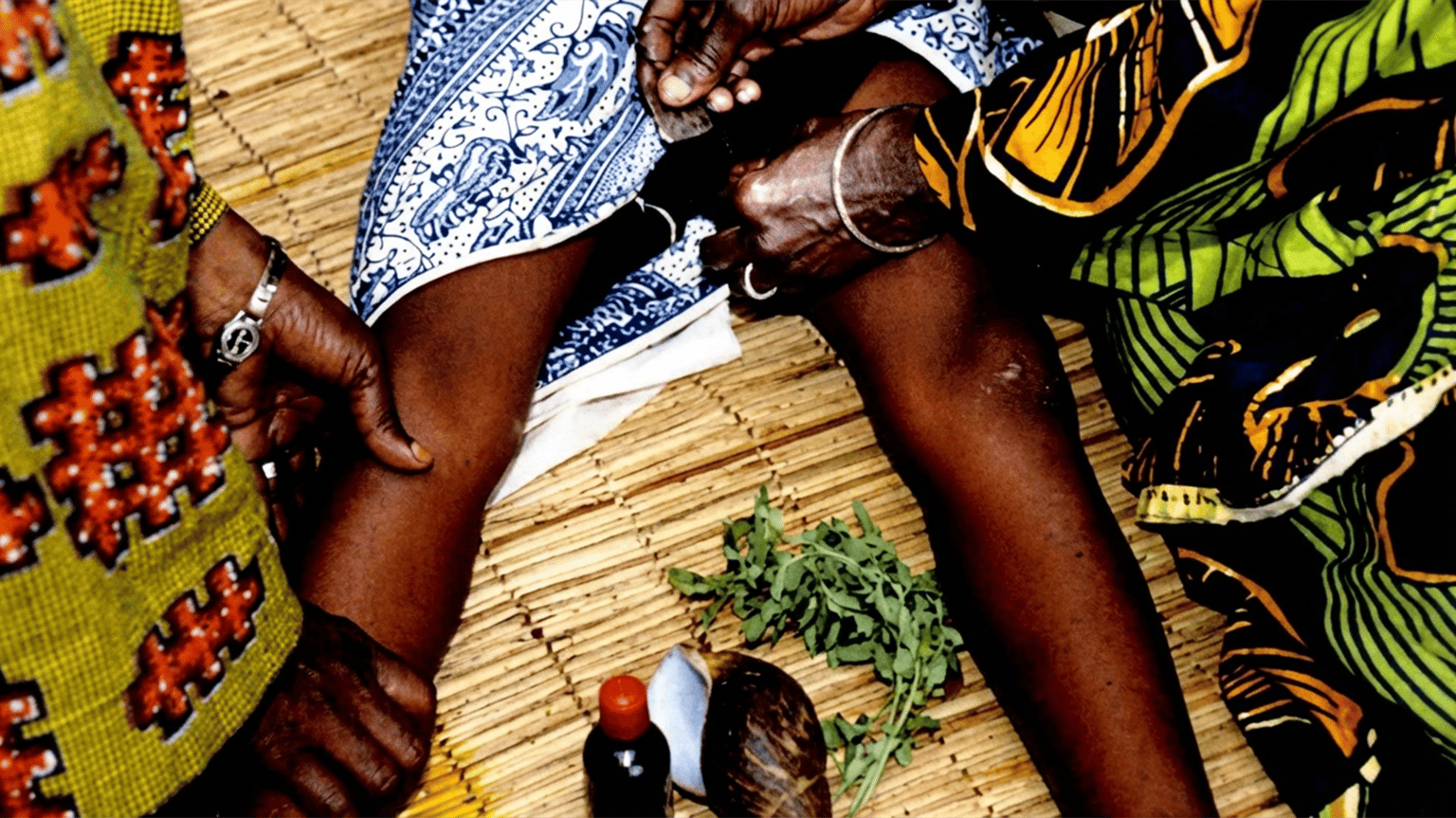
Despite being outlawed more than a decade ago, female genital mutilation (FGM) continues to affect many girls in parts of Kenya, particularly in remote rural communities, an AFP report has found.
In Entasekera village in Narok County, southern Kenya, Maasai women openly challenged a community elder who claimed the practice had largely ended. Many women at the meeting said girls were still being subjected to FGM, contradicting assurances from local leaders.
A nurse working in the area told AFP that as many as 80 per cent of girls in some villages are still affected, despite Kenya banning FGM in 2011. She said health facilities continue to receive teenage girls who have undergone the practice.
FGM, often described within communities as a rite of passage, has persisted despite decades of opposition from the government, activists and international organisations. While a 2022 government survey reported a national decline in cases among teenage girls, activists and health workers say those figures do not reflect the reality in certain regions.
The practice remains prevalent among sections of the Maasai community in southern Kenya and in parts of the country’s northeast, particularly among some Somali communities. Campaigners have also raised concerns about the rise of “medicalised” FGM, where the procedure is carried out secretly by health workers.
At the village meeting, some men said the practice should end, though harmful cultural beliefs about marriage and womanhood continue to sustain it. Survivors and activists say girls who refuse FGM often face pressure, threats or social exclusion.
Activist Patrick Ngigi, whose organisation runs a shelter for girls at risk, said thousands have been rescued over the years, but the demand for protection remains high. He stressed that ending FGM requires education, community dialogue and stronger enforcement of the law.
Health officials warn that FGM can lead to serious medical complications, especially during childbirth, which are worsened by limited access to healthcare in rural areas. Some women, they said, avoid hospitals to protect their families from prosecution.
As campaigners continue their work, survivors like Cecilia Nairuko, who escaped both FGM and forced marriage and has since become a psychologist, stand as symbols of resilience. Yet reconciliation with families remains difficult, highlighting the deep cultural roots of the practice and the long road ahead in efforts to end it.