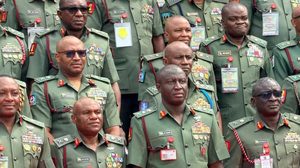
Tinubu Orders Full Redeployment of Security Personnel Amid Rising Kidnappings
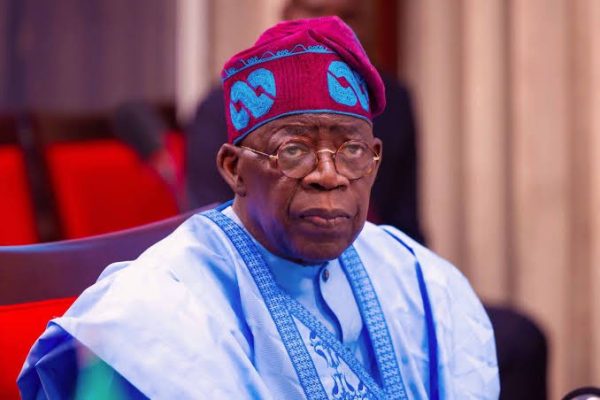
President Bola Ahmed Tinubu on Wednesday linked the withdrawal of police escorts from VIPs to broader security reforms aimed at tackling kidnappings and enhancing the capacity of overstretched law enforcement agencies.
Speaking before the Federal Executive Council meeting in Abuja, Tinubu reiterated his directive to redeploy police personnel from VIP protection to frontline duties.
“I honestly believe in what I said… It should be effected. If you have any problem because of the nature of your assignment, contact the IGP and get my clearance,” the President stated.
He instructed the Minister of Interior, Dr Olubunmi Tunji-Ojo, to coordinate with the Inspector-General of Police, Kayode Egbetokun, and the Nigeria Security and Civil Defence Corps to ensure VIPs remain protected, with civil defence personnel filling in where necessary.
The President also directed the National Security Adviser, Nuhu Ribadu, and the Department of State Services (DSS) to guide the enforcement of the order and review the operational structure. “NSA and DSS will provide further information and form themselves into a committee to review the structure,” he said.
Highlighting the link between the policy and recent security threats, Tinubu said, “We are facing challenges of kidnapping. We need all the forces we have on the ground, fully utilised.” He further confirmed that forest guards would be armed as part of the security reforms.
In addition to security measures, Tinubu assigned Vice-President Kashim Shettima to lead livestock-sector reforms through the National Economic Council (NEC). The initiative aims to rehabilitate grazing reserves into ranches and settlements, reducing farmer-herder conflicts while promoting economic development.
Tinubu said, “We must eliminate the possibility of conflicts and turn the livestock reform into economically viable development. The opportunity is there. Let’s utilise it.”
The remarks follow the President’s initial withdrawal order three weeks ago, which has attracted public scrutiny, including criticism from Nobel laureate Wole Soyinka, over perceived preferential security allocations.