From Fear to Freedom: Maiduguri Reclaims Its Life After a Decade of Terror
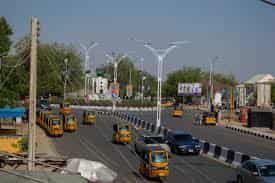
For Thomas Marama, a pastor in Maiduguri, prayers have shifted from pleas for survival to expressions of gratitude. With the worst of the Boko Haram insurgency now behind the city, the constant fear of explosions in crowded markets or gunfire at night has eased.
“You were always scared that maybe there was going to be an explosion,” Marama said from his church compound in a neighbourhood once accustomed to nightly gunshots.
Ask residents of Borno State’s capital when the conflict was at its worst, and the timelines vary — 2010 to 2014, 2011 to 2015, or 2015 to 2016. Yet their memories align: gun battles, bombings, and an atmosphere thick with dread as Boko Haram unleashed terror across northeastern Nigeria.
That tension was nowhere to be found during a recent AFP visit to Maiduguri, which has not recorded a major attack since 2021.
“We were praying that peace would come back,” said 32-year-old vegetable vendor Umar Mohammad, fresh from a late-night football match with friends — the kind of gathering that was unimaginable during the insurgency’s peak.
Maiduguri has been steadily reclaiming normalcy for nearly a decade. As early as 2016, some youths dared to visit clubs despite a strict 10:00 p.m. curfew. Today, bicycles and yellow “keke” taxis zip along improved roads, new flyovers ease traffic, and electric vehicle charging stations are taking shape. Markets bustle, and men linger late into the night enjoying grilled fish and snooker games.
Despite the progress, reminders of conflict persist.
Military trucks patrol the streets, soldiers shaded by helmets in the afternoon heat. The rise of bicycles and kekes is partly due to a continued ban on motorcycles — once the preferred transport of jihadist fighters.
The city’s calm was hard-won through curfews, checkpoints, and what rights groups describe as mass arrests and extrajudicial killings.
At a busy market on the city’s west end, vendors sell football jerseys and military-style boots popular among civilian militia members who support the army.
“Maiduguri is where you have all the institutions of the state,” said Malik Samuel, a conflict researcher with Good Governance Africa (GGA). “It’s deliberate, securing the capital.”
Samuel noted that Boko Haram and the Islamic State West Africa Province (ISWAP) are still active but have struggled to penetrate Maiduguri due to improved intelligence efforts.
Across the countryside, however, violence persists. ISWAP overran at least 17 military bases in the first half of 2025, aided by drones, nighttime raids, and foreign fighters. Northwest Nigeria is also grappling with rising mass abductions by heavily armed criminal gangs.
‘Idleness’ and Inequality
Within Maiduguri, not everyone is benefiting from the city’s revival.
At the El Miskin camp for internally displaced persons on the outskirts, conditions remain bleak. “There is no business, no farmland, no proper living conditions, no schools,” said camp chairman Hashim El Miskin.
The government has been pushing to close IDP camps and send people back to their communities, but insecurity continues to displace families. Across Borno State, an estimated 700,000 children are out of school, driven by poverty and conflict.
Residents warn of growing “idleness” among youths, who face high unemployment and limited opportunities.
Restaurant owner Idris Suleiman Gimba recalled a time when even mosques became restricted spaces: “You were not allowed to enter unless you were known as a regular.” It was a disruption to Maiduguri’s long-standing culture of hospitality.
“We’re seeing things coming back to normal, and it’s going to take time,” said Gimba, 54. “Borno is blessed.”