Reps Launch Probe Into Rising POS-Related Fraud Nationwide
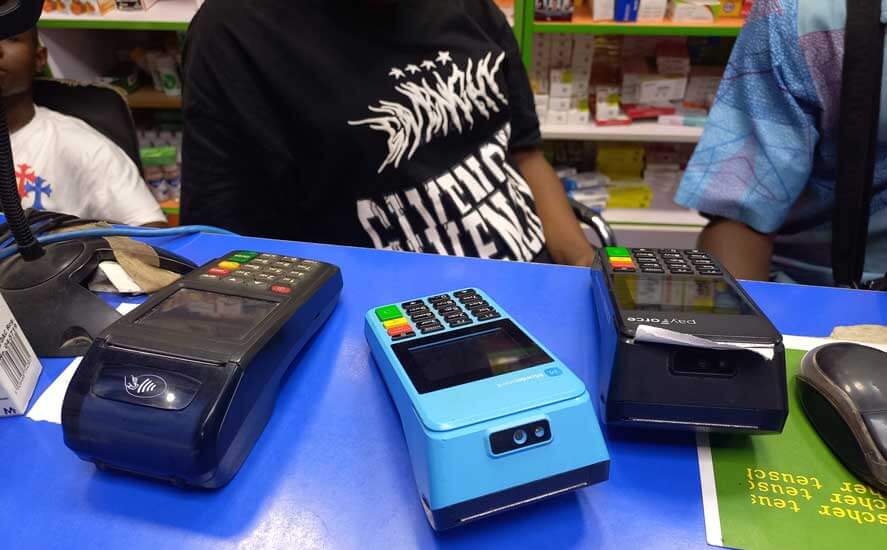
The House of Representatives has expressed deep concern over the rising wave of fraud linked to Point-of-Sale (POS) transactions, as lawmakers and industry stakeholders met on Monday to address escalating security, regulatory, and economic risks in the rapidly growing sector.
Speaking at a resumed investigative hearing at the National Assembly, Chairman of the House Ad-hoc Committee on the Economic, Regulatory and Security Implications of Cryptocurrency Adoption and POS Operations, Hon. Olufemi Bamisile, said the Committee had received reports of unprofiled agents, cloned terminals, anonymous transactions, and weak Know-Your-Customer (KYC) processes—issues that have increasingly exposed Nigerians to financial losses and cyber-enabled crimes.
“We are concerned about the growing rise in fraud associated with POS operations. Unprofiled agents, cloned terminals and weak KYC practices continue to expose citizens to preventable dangers,” Bamisile said.
He added that credible intelligence had revealed some POS operators were engaging in crypto-related services without authorisation, posing risks related to money laundering, terrorism financing and misuse of payment platforms.
Bamisile also flagged reports of fictitious companies registered at the Corporate Affairs Commission (CAC), allegedly using citizens’ National Identification Numbers (NIN) and Bank Verification Numbers (BVN) to open accounts for laundering funds through unverified POS channels.
“This highlights weak verification mechanisms and underscores the urgent need for a coordinated oversight framework,” he said.
The Committee also plans to investigate the storage of sensitive customer data on foreign servers by fintech companies, warning that such practices weaken regulators’ ability to audit transactions, trace suspicious flows or enforce compliance—an issue with significant national security implications.
Despite the worrying trends, Bamisile assured stakeholders that the inquiry aims to strengthen, not stifle, the POS ecosystem.
“Our mandate is clear: to recommend legislation that will deliver a harmonised regulatory framework, stronger security safeguards, improved consumer protection and an environment where innovation can thrive responsibly.”
Paul Okafor, National President of the Association of Digital Payment and POS Operators of Nigeria, told lawmakers that the explosive growth of the POS industry—from 50,000 operators in 2017 to more than 2.3 million in 2025—had far outpaced regulatory capacity, contributing directly to rising fraud.
Citing data from the Nigeria Inter-Bank Settlement System (NIBSS), he revealed that digital-payment channels, including POS and bank transactions, recorded ₦17.67bn in fraud losses in 2023, rising sharply to ₦52.26bn in 2024.
He added that security agencies in several states had confirmed that nearly 40% of kidnap ransom payments were made through informal POS channels.
Okafor urged the Committee to adopt urgent reforms such as:
Mandatory Nigeria Police–NCCC Cybercrime Clearance Certificates for all POS operators
Compulsory CAC registration for POS businesses
Mandatory membership of recognised trade associations to support training and self-regulation
He said these measures reflect global best practices, noting significant reductions in fraud in countries like Brazil, India, Kenya, South Africa and the UK after similar reforms were introduced.
“Nigeria must not be the exception,” he warned.





