WHO Raises Alarm as 24 Million Africans Live with Diabetes
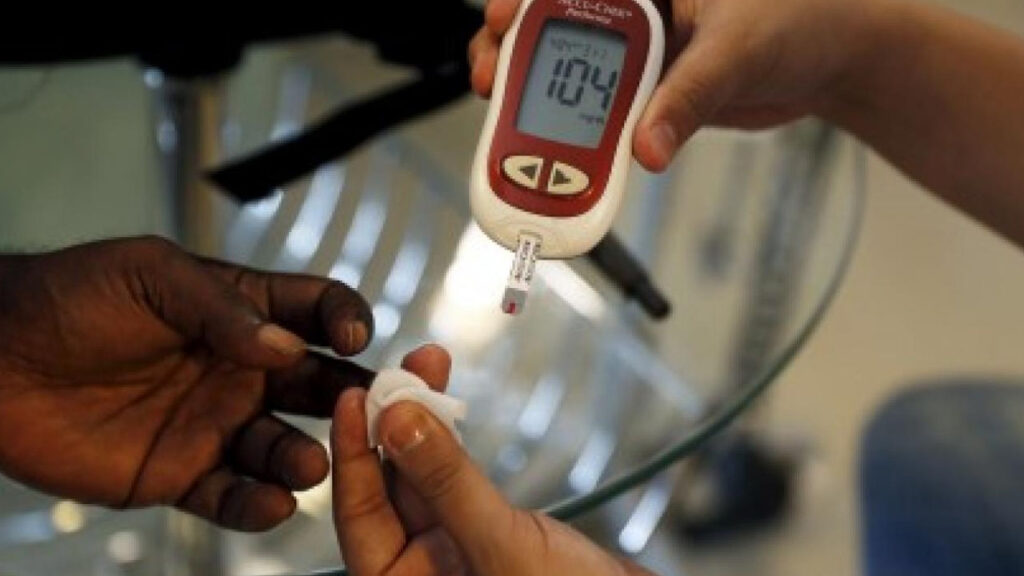
Over 24 million adults aged between 20 and 79 are currently living with diabetes in Africa, a figure expected to soar to 60 million by 2050, according to the World Health Organisation (WHO).
About 12 million people — roughly half of those affected — remain undiagnosed, silently facing increased risks of complications, disability, and premature death.
WHO Regional Director for Africa, Dr. Mohamed Janabi, disclosed this in a statement marking World Diabetes Day 2025 in Abuja. He warned that the continent was witnessing an “unprecedented rise” in diabetes cases, driven by changing lifestyles, rising obesity rates, and limited access to preventive and primary healthcare services.
“The scale and speed of this trend demand urgent and sustained action,” Janabi said. “If not addressed, it will overwhelm health systems, strain economies, and erode hard-won development gains.”
He explained that diabetes, over time, can damage vital organs such as the heart, kidneys, eyes, and nerves — with profound effects on individuals, families, and communities.
This year’s World Diabetes Day is themed “Diabetes Across Life Stages,” underscoring that the disease affects people of all ages — from children and adolescents to adults and the elderly.
“Each life stage presents distinct challenges that require tailored responses,” Janabi noted. “Prevention and care must extend across the entire life course.”
He recalled that in 2024, African member states endorsed the Framework for the Implementation of the Global Diabetes Compact in Africa, reaffirming their commitment to equitable and comprehensive care. Countries such as Ghana and Uganda, he said, are already integrating diabetes and cardiovascular disease services into primary healthcare.
He highlighted that the WHO was supporting countries in adapting and implementing frameworks for prevention and control, adding that the WHO PEN package, now operational in 31 countries, and PEN-Plus, implemented in 20 countries, were expanding access to cost-effective, quality care for chronic diseases at the primary care level.
Janabi emphasised the need to translate commitment into results, stressing that countries must strengthen governance, increase financing for non-communicable disease services, and integrate diabetes prevention and treatment into national health and primary care plans.