Amupitan Vows to Use Drones to Reach Voters in Remote Areas
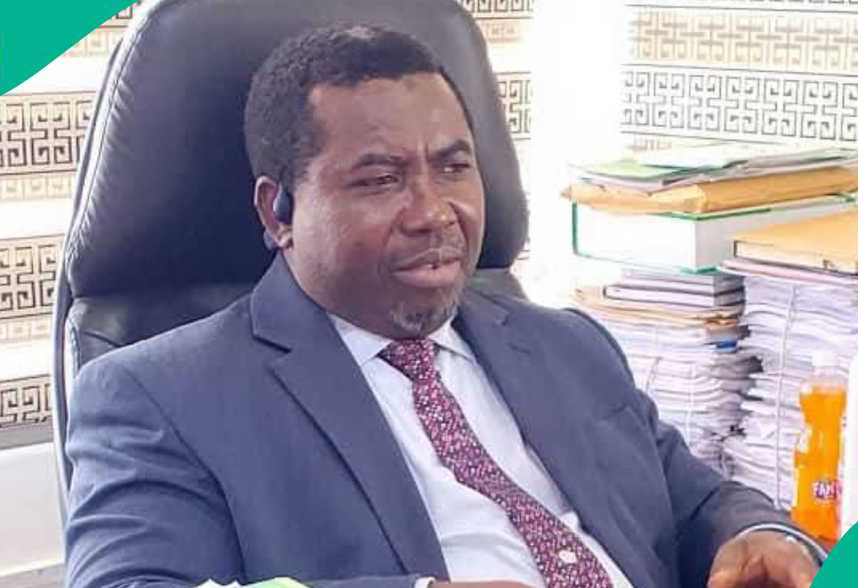
The nominee for Chairman of the Independent National Electoral Commission (INEC), Prof. Joash Amupitan, has pledged that no eligible voter will be excluded from Nigeria’s electoral process under his leadership — even if it requires deploying drones to deliver election materials to remote or insecure areas.
Speaking during his Senate screening on Thursday, Amupitan identified logistics and security challenges as major obstacles to credible elections. He vowed to adopt innovative solutions, including technology and improved coordination with security agencies, to ensure timely and safe delivery of election materials nationwide.
“No voter will be left behind,” he said. “We will invest in logistics and technology — and where necessary, deploy drones with adequate safeguards — to ensure election materials and personnel reach every part of Nigeria safely and on time.”
Amupitan, a Professor of Law and former university administrator, said he would modernise INEC’s operational framework to enhance inclusivity and efficiency. He also promised closer collaboration with the Joint Committee on Election Security to address threats that affect elections in hard-to-reach or conflict-prone areas.
He stressed that voter and civic education would be a central focus of his tenure, noting that an informed electorate is key to credible polls.
“We will embark on aggressive civic and voter education across the country,” he said. “INEC will build the capacity not only of its staff but also of all election stakeholders — including political parties, civil society organisations, and the electorate.”
Amupitan reaffirmed his commitment to transparency, integrity, and accountability, promising strict compliance with financial and procurement laws to ensure proper use of public funds.
Senate President Godswill Akpabio praised Amupitan’s vision and directed him to address senators’ concerns in detail.
Amupitan’s nomination comes amid increased public calls for electoral reforms and greater institutional credibility ahead of future general elections.





