Obi, Atiku’s 2027 Bids Wobble as Defections, Internal Strife Weaken LP and PDP
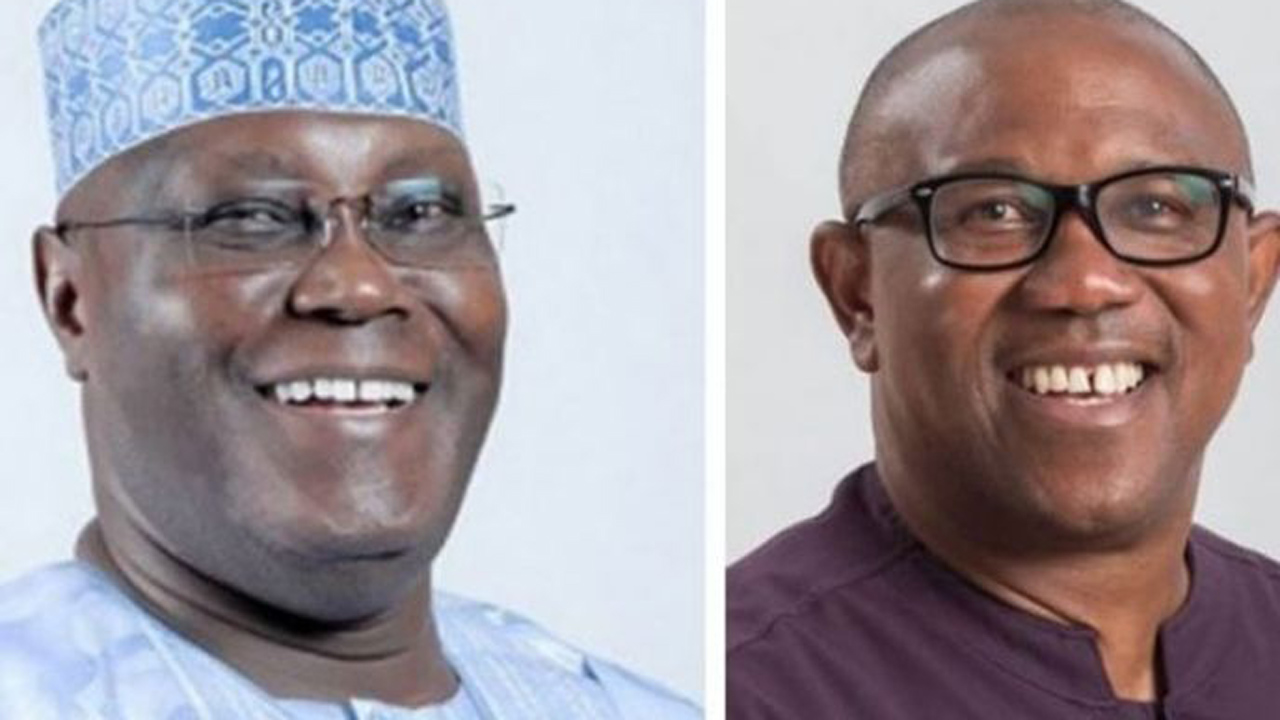
With less than 18 months to the 2027 general elections, Nigeria’s political landscape is undergoing major realignments that could reshape opposition strategies and redefine power dynamics, particularly for Peter Obi and Atiku Abubakar.
The Labour Party (LP) and its 2023 presidential candidate, Peter Obi, who once galvanized millions of new voters, now face internal crises and mass defections threatening their 2027 prospects. The opposition bloc’s troubles deepened when Enugu State Governor Peter Mbah defected from the PDP to the ruling APC, effectively collapsing the PDP’s last major stronghold in the South-East.
APC now controls three of the five South-East states, while Anambra remains under APGA and Abia under LP. Even in these states, political alignments appear to be tilting toward President Bola Tinubu ahead of the next polls. For Obi, who relied heavily on South-East and South-South support in 2023, the shifting alliances complicate his chances of building a viable coalition.
PDP’s Internal Crisis Deepens
Within the PDP, divisions are widening. Prominent stakeholders are reportedly urging former President Goodluck Jonathan to return and lead the party’s 2027 ticket, a move aimed at reviving southern appeal and challenging Atiku’s northern influence. Others are pushing for Governor Seyi Makinde of Oyo State. The unresolved zoning debate and potential legal challenges to Jonathan’s eligibility highlight PDP’s fragility.
Meanwhile, two South-South governors are rumored to be in talks to defect to the APC, which would further weaken PDP’s southern base. In the North, the APC is also courting key governors like Agbu Kefas (Taraba) and Abba Yusuf (Kano)—moves that could erode Atiku’s northern support.
Labour Party’s Collapse and Obi’s Strategic Drift
The LP is struggling with defections, leadership battles, and waning public enthusiasm. Twelve of its 35 federal lawmakers and 24 of 38 state legislators have defected, mostly to APC and ADC. The once-energized “Obidient” movement is faltering under weak party structures and poor post-election coordination.
Obi has been criticized for failing to consolidate the 2023 momentum into a stable political structure. Since the election, he has not convened major meetings with party lawmakers or stakeholders, leading many supporters and allied groups—such as Afenifere, Ohanaeze Ndigbo, and the SMBLF—to distance themselves.
“Obi had the goodwill and a movement that could have matured into a strong political force,” a former LP campaign coordinator said. “But he mistook social enthusiasm for political structure.”
Obi’s Indecision and ADC Flirtation
Obi has been spotted at ADC-led coalition meetings but has skipped key LP events, sparking speculation about a possible defection. His recent statement — “Party labels don’t solve our problems; values do” — has been interpreted as signaling a potential platform change. Analysts warn that repeated shifts could make him politically unreliable by 2027.
Political scientist Dr. Emeka Umeagbalasi remarked:
“Obi’s greatest mistake was failing to transform a protest vote into a permanent political structure. Nigerians rallied behind him, but he did not rally a party behind them.”
Losing Labour Roots and South-East Support
The LP’s bond with organized labour has frayed. NLC President Joe Ajaero recently criticized the party leadership, suggesting the Congress might support a different platform. In the South-East, Obi’s base is shrinking rapidly. Eight of LP’s 14 Enugu assembly members have defected to the APC, and in Abia, Governor Alex Otti’s independent posture has created friction with the national leadership.
Supporters warn that relying on social media enthusiasm without building grassroots structures gives APC and ADC room to dominate the region.
Analysts: Obi Risks 2027 Irrelevance
Obi’s indecision between LP and ADC, coupled with weak party-building efforts, could cost him a credible 2027 platform. Former PDP Deputy National Chairman Chief Bode George and Afenifere leader Senator Femi Okurounmu both faulted Obi’s political choices since 2023, describing his ADC alignment as a major blunder.
Okurounmu noted that changing political dynamics make it unlikely for Obi to replicate his 2023 success in the South-West, including Lagos.
Analysts advise that Obi must urgently choose a platform, rebuild structures, reconcile factions, and re-engage labour and grassroots movements if he intends to remain a serious contender.
“A fragmented opposition will dilute Obi’s message and limit his impact in 2027,” political analyst Olalekan Ojo warned. “He still has credibility, but he needs one solid base.”